DEG has committed €30 million to the Africa Go Green Fund (AGG), a debt fund managed by Cygnum Capital dedicated to financing projects in Sub-Saharan Africa that reduce greenhouse gas emissions and enhance energy efficiency.
This commitment, announced in early January 2026, enables the deployment of medium- to long-term structured debt, mezzanine financing, guarantees, and technical assistance to commercially viable initiatives in energy efficiency, clean cooking, electric mobility, green buildings, and distributed renewables.
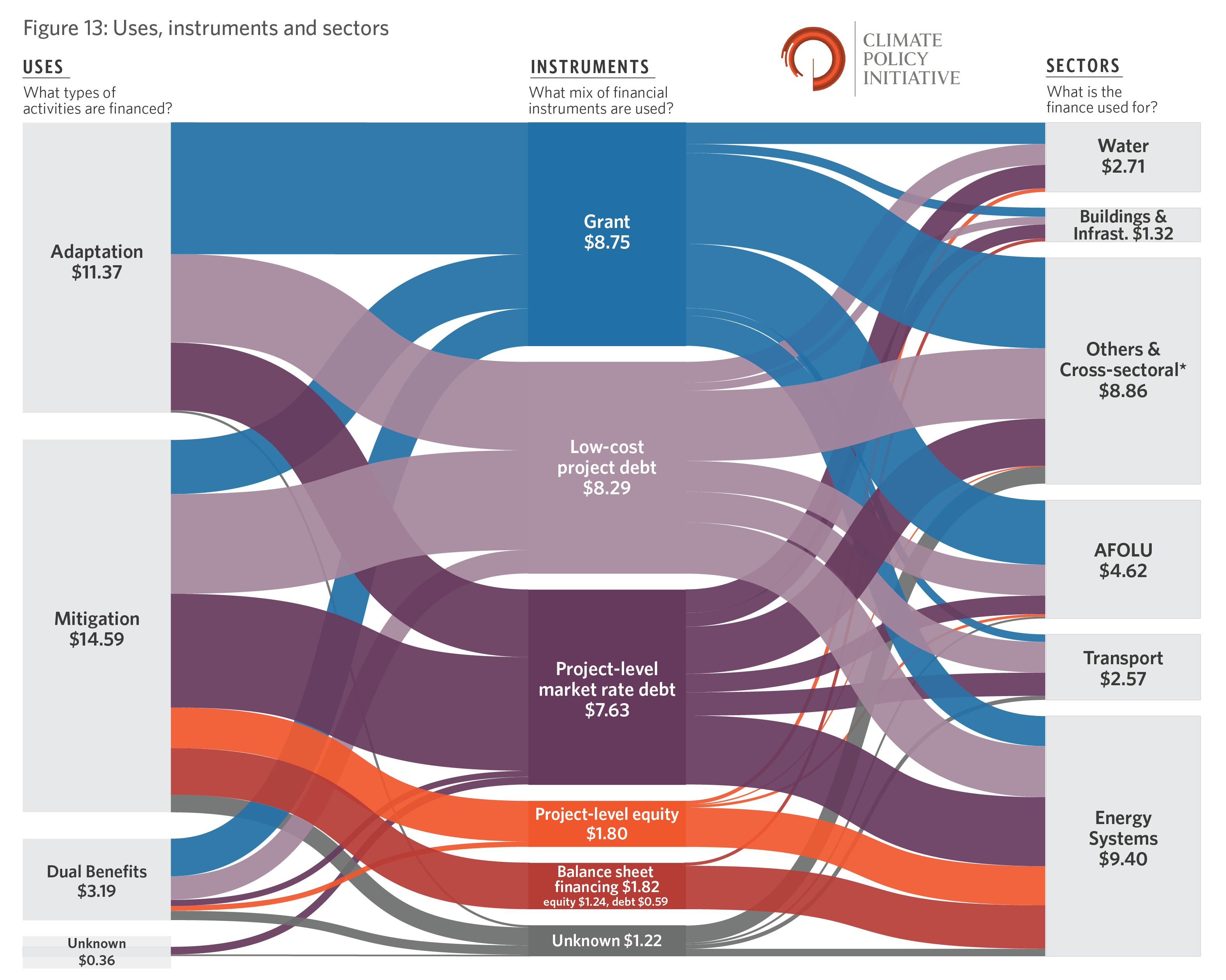

Landscape of climate finance flows in Africa, illustrating investment patterns in sustainable energy projects.
Gudrun Busch, Senior Director at DEG, stated, “Our commitment to the Africa Go Green Fund underscores DEG’s dedication to advancing climate-friendly and energy-efficient solutions across Africa.
By partnering with AGG, we aim to close the financing gap for innovative businesses that deliver measurable climate impact while driving sustainable economic growth.”
Laurene Aigrain, Managing Director of Cygnum Capital, remarked, “DEG’s support is a strong endorsement of AGG’s mission and strategy.
It reflects the growing recognition that debt funds focused on energy efficiency and low-carbon technologies are critical to Africa’s energy transition.”
Characteristics of Structured Green Debt in AGG
AGG addresses structural barriers in climate-related sectors, where conventional bank lending is often constrained by long asset durations, irregular cash flows, and regulatory complexities.
The fund provides flexible, tailored financing instruments, including senior debt, subordinated facilities, and risk-sharing mechanisms, along with technical support to improve project viability and sustainability.

Off-grid solar power initiative in East Africa, exemplifying distributed renewable energy projects financed through climate funds.
Since its inception in 2021 by KfW on behalf of the German government, AGG has mobilised significant commitments from multilateral and bilateral investors, enabling targeted investments in high-impact, low-carbon solutions across the region.
READ ALSO:
How Blended Finance is Helping Off-Grid Energy Reach Africa’s Most Remote Communities
Potential for Outperformance Relative to Conventional Lending
Structured green debt facilities like AGG can offer advantages over traditional lending in Africa’s emerging climate markets.
Conventional debt frequently applies higher risk premiums or stricter covenants due to perceived uncertainties, whereas AGG’s blended structure combining development-orientated capital with commercial discipline facilitates more competitive terms, improved cash-flow matching, and reduced default risk through guarantees and expertise.
Projects supported by AGG typically exhibit robust commercial fundamentals alongside verifiable climate benefits, positioning the fund to achieve attractive risk-adjusted returns.
In emerging markets, well-structured sustainable debt has demonstrated resilience and increasing appeal to impact-focused investors, suggesting potential for superior performance in underserved green sectors.
Challenges and Considerations
Notable risks include cross-border regulatory variations, implementation challenges in frontier economies, and exposure to macroeconomic volatility.
Conventional lending may retain advantages in more predictable, short-term financing scenarios. AGG mitigates these through diversified exposure, rigorous due diligence, and institutional backing.
Structured green debt, as advanced by the Africa Go Green Fund with DEG’s €30 million commitment as of January 14, 2026, demonstrates considerable potential to outperform conventional lending in Africa’s climate and energy efficiency domains.
By delivering tailored, repayable capital that overcomes traditional financing constraints, such funds enable scalable deployment of sustainable technologies while pursuing competitive financial returns and measurable environmental outcomes.
This model represents a practical contribution to bridging the continent’s climate investment gap. For the most current portfolio information and performance metrics, please refer to official resources from Cygnum Capital and DEG.
Climate Finance Overview
Africa solar Fund and Africa renewable energy Fund initiatives play a critical role in financing clean power solutions, supporting a wide range of green energy projects in Africa that address energy access and climate resilience.
Multilateral vehicles such as the Green Climate Fund and specialized structures like the AfricaGoGreen Fund for Renewable Energy and energy efficiency scs SICAV-RAIF channel capital into scalable projects, often in partnership with investment managers such as Cygnum Capital.
Alongside broader Fund for Africa mechanisms, targeted agriculture funds for africa increasingly integrate renewable energy components, reflecting a growing convergence between sustainable agriculture, clean energy finance, and long-term development objectives across the continent.
Ronnie Paul is a seasoned writer and analyst with a prolific portfolio of over 1,000 published articles, specialising in fintech, cryptocurrency, climate change, and digital finance at Africa Digest News.