In a selection pool of 165 applicants from 33 countries with acceptance odds thinner than 6%, Octavia Carbon rose as the sole African company admitted into the prestigious Carbon to Value (C2V) Initiative Year 5 cohort, announced on November 18, 2025.
For the Nairobi-based direct air capture (DAC) startup, it wasn’t a lucky break. It was the culmination of a uniquely African climate-tech thesis: leverage Kenya’s geothermal abundance, reactive Rift Valley geology, and locally built engineering to create one of the world’s cheapest, most scalable pathways to permanently remove CO₂.
As governments and corporates scramble for durable carbon removal to meet 2050 net-zero targets, Octavia’s selection signals a turning of the tide: the Global South is no longer a passenger in the carbontech race; it’s becoming a powertrain.
And with C2V offering a direct runway to Fortune 500 buyers and R&D giants, the cohort could propel Octavia’s Rift Valley plant from early pilot to commercial reality before the decade’s end.
The Architects
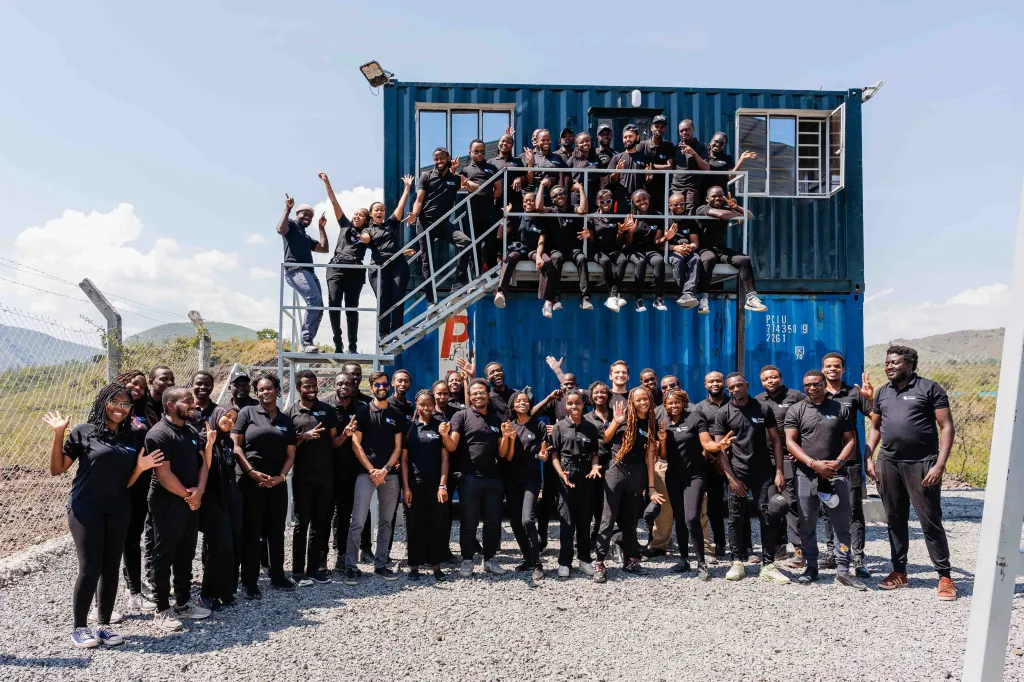
Founded in 2022 by Martin Freimüller, a German mechanical engineer with Siemens pedigree, and Duncan Githinji Kariuki, a Kenyan cleantech operator, Octavia Carbon set out to build “direct air capture for the Global South, by the Global South.”
Their strategy is deceptively simple:
Use geothermal heat, a resource Kenya has in nearly unmatched abundance, to run low-energy DAC machines. Then inject the captured CO₂ into volcanic basalt, where it reacts and turns into stone within 18–24 months.
The approach slashes removal costs to $100–200 per tonne, a fraction of the $600+ price points seen from European incumbents.
By mid-2025, construction had begun on Octavia’s first 1,000-tonne-per-year pilot in Hell’s Gate, backed by $4 million from investors including E4E Africa and Lateral Frontiers.
The target: scale to 1 million tonnes per year by 2030, riding Kenya’s 800 MW geothermal base and the Rift Valley’s vast basalt reservoirs.
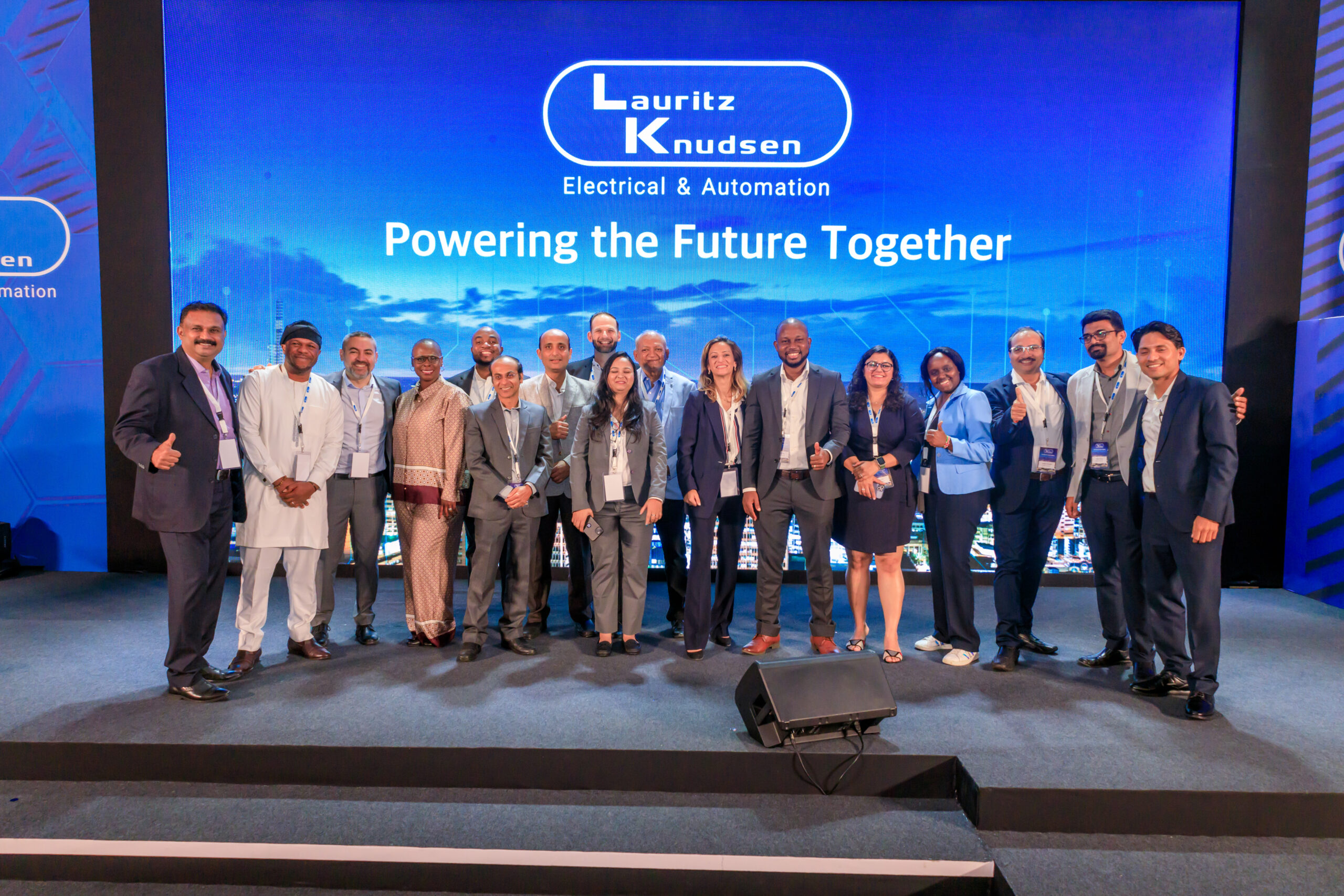
This is where the C2V Initiative comes in. Run by Greentown Labs, Urban Future Lab (NYU Tandon), and Fraunhofer USA, the accelerator is the silver lining of carbontech commercialisation.
Its backers, including NYSERDA and a 50-member Carbontech Leadership Council (Shell, TotalEnergies, L’Oréal, Johnson Matthey, Caterpillar) represent the buyers, partners, and validators needed to take DAC from lab cool to grid-scale impact.
READ ALSO:
How Octavia Carbon Became Africa’s Only Finalist in Tencent’s $28 Million CarbonX Challenge
Why Octavia Stood Out
C2V’s five filters, comprising novelty, feasibility, climate impact, market readiness, and ability to scale, shrank a global field of 165 to just 10. Octavia’s proposition checked every box.
| Edge Factor | Octavia’s Advantage | Why It Mattered to C2V |
|---|---|---|
| Technical Novelty | Geothermal-powered DAC + basalt mineralization | Low-cost, 24/7 operations without grid risk |
| Climate Impact | Pathway to 1Mt/year by 2030 with permanent storage | Meets CLC’s demand for real, durable CO₂ removal |
| Market Readiness | $4M raised; pilot underway; KETRACO site secured | Demonstrated traction in a vastly underfunded region |
| Ecosystem & Equity | 80% Kenyan workforce; women-led operations | Diversifies global CDR supply chains (<5% currently from Africa) |
Octavia also benefits from situating itself in one of the world’s most promising geologic formations for carbon storage.
According to USGS models, the 500 km Rift Valley basalt belt could theoretically mineralise 10 gigatonnes of CO₂, the equivalent of nearly a year’s worth of global emissions from heavy industry.
In other words: Africa isn’t late to the carbontech race. It’s running a different, potentially better route.
What C2V Unlocks
C2V isn’t a mentorship programme but a commercialisation machine. Over six months, founders cycle through:
- technical vetting by Fraunhofer USA and NYU labs (ideal for Octavia’s sorbent refinement and injection modelling),
- fortnightly sessions with buyers on the Carbontech Leadership Council,
- investor introductions through Greentown Labs,
- and potential access to non-dilutive grants.
For Octavia, this means accelerated testing with industrial majors Shell for basalt injection and TotalEnergies for geothermal integration and early offtake pathways in the $150–200/tonne voluntary carbon removal market.
Past C2V alumni raised $600 million+, formed 630 partnerships, and secured commercial pilots across three continents. Octavia enters that slipstream with a pilot already under construction, making it one of the cohort’s most physically de-risked companies.
The Payoff: Turning the Rift Valley Into a Global Carbon Sink
Octavia Carbon’s selection into C2V’s Year 5 cohort is the most credible global validation yet for African-led, Africa-built carbon removal.
With geothermal power, basalt geology, and local talent, Kenya has the ingredients for gigaton-scale sequestration. And with C2V’s backing, Octavia has the platform to turn its quiet 1,000-tonne pilot into a continent-defining climate solution.
By 2027, the company expects its first commercial units online, early buyer deals signed, and a new wave of Rift Valley carbontech challengers following its path.
Octavia Carbon & the Future of Direct Air Capture
The Octavia Carbon project hummingbird location in Kenya has become a flagship site showcasing how African-led climate tech can scale, supported by growing Octavia Carbon funding from global and regional climate investors.
As part of a fast-rising sector, the company joins other direct air capture companies building technology that removes CO₂ directly from the atmosphere.
Understanding how does direct air capture work is key: DAC systems pull in air, separate the CO₂ using chemical sorbents, then store or reuse it, offering major direct air capture benefits for long-term climate mitigation.
However, adoption depends heavily on the evolving direct air capture cost, which continues to decrease as innovation, efficiency, and investment accelerate worldwide.
Ronnie Paul is a seasoned writer and analyst with a prolific portfolio of over 1,000 published articles, specialising in fintech, cryptocurrency, climate change, and digital finance at Africa Digest News.