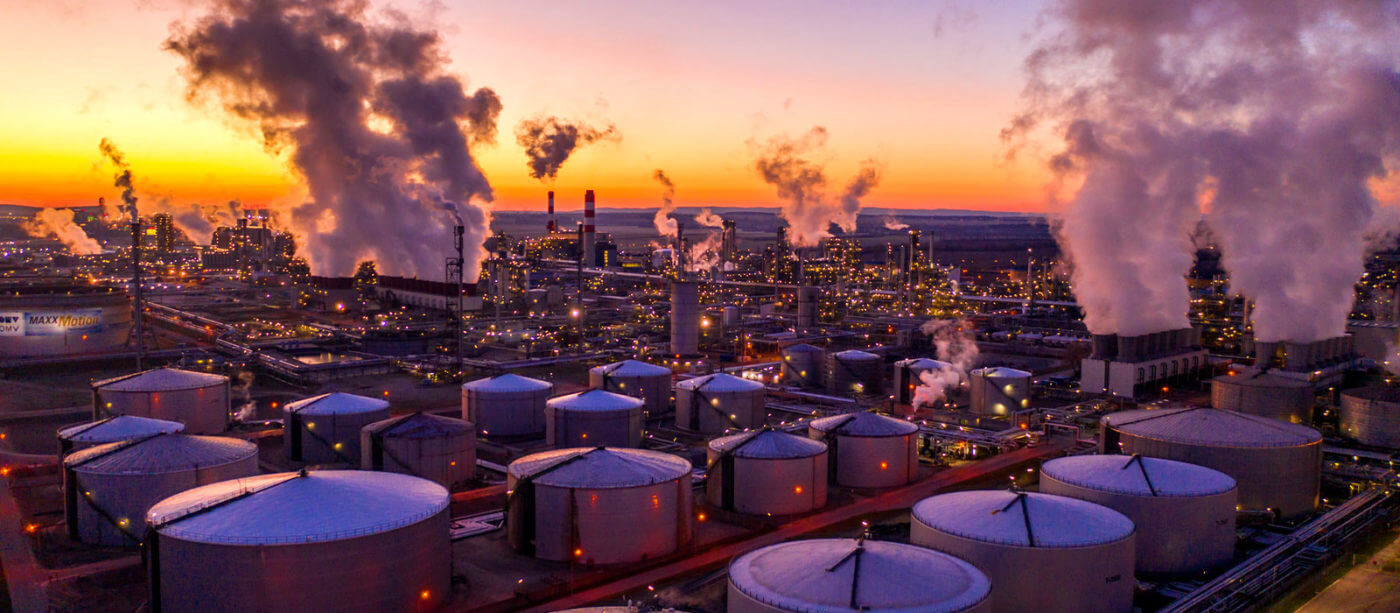
The Dangote Petroleum Refinery has achieved a full nameplate capacity of 650,000 barrels per day (bpd), marking a historic milestone as the first single-train refinery globally to reach this level of steady-state operation.
Announced on February 11, 2026, the accomplishment follows optimisation of the Crude Distillation Unit (CDU) and Motor Spirit (MS) production block, with a 72-hour performance test underway in collaboration with technology licensor UOP to validate efficiency and compliance with international standards.
David Bird, Chief Executive Officer of Dangote Refinery, stated, “Our teams have demonstrated exceptional precision and expertise in stabilising both the CDU and MS Block, and we are pleased to see them functioning at optimal efficiency. This performance testing phase enables us to validate the entire plant under real operating conditions. We are confident that the refinery remains firmly on track to deliver consistent, world-class output.”
With the CDU and MS Block now at full capacity, the facility can supply up to 75 million litres of Premium Motor Spirit (PMS) daily to the domestic market.
This development raises a fundamental question: can large-scale, high-efficiency refineries align with global climate objectives, or do they inherently conflict with net-zero ambitions?

Technical Efficiency and Operational Advances
Modern refineries like Dangote incorporate advanced process technologies, including high-conversion units and optimised energy integration, to achieve superior yields and reduced energy intensity per barrel processed compared to older facilities.
- The single-train design at 650,000 bpd represents engineering sophistication, enabling economies of scale and lower per-unit emissions relative to smaller or less integrated refineries.
- Full operational capacity eliminates reliance on imported refined products, reducing associated shipping emissions and foreign exchange outflows estimated at up to US$10 billion annually for Nigeria.
- The facility’s subsea pipeline network and on-site infrastructure further minimise transport-related emissions in the supply chain.
These efficiencies position Dangote as a cleaner alternative to fragmented, less efficient refining systems across Africa and parts of the developing world.
Environmental and Climate Considerations
Refining remains energy-intensive and generates significant greenhouse gas emissions through process heat, flaring, and downstream product combustion.
Oil refineries contribute approximately 4–5% of global anthropogenic CO₂ emissions, with Scope 1 and 2 emissions from operations forming a substantial portion.
Critics argue that commissioning and expanding large fossil-fuel processing facilities, even highly efficient ones, risks locking in emissions pathways incompatible with Paris Agreement targets.
Nigeria’s net-zero commitment by 2060 faces tension from increased domestic refining capacity, particularly as global demand for petroleum products is projected to decline in advanced economies due to electrification and efficiency gains.
READ ALSO:
How Indigenous Knowledge Is Beating Climate Models
However, proponents highlight that:
- High-efficiency refineries emit less CO₂ per barrel than legacy plants, offering a transitional bridge in regions with rising energy demand.
- Localising refining reduces long-haul shipping emissions and supports regional energy security.
- The Dangote facility emphasises cleaner processes and plans for petrochemical integration, which could enable production of higher-value, lower-carbon-intensity products.

Expansion Plans and Long-Term Alignment
In October 2025, Aliko Dangote announced intentions to double capacity to 1.4 million bpd, potentially surpassing India’s Jamnagar refinery as the world’s largest. The expansion includes additional petrochemical units for linear alkylbenzene, base oils, and increased polypropylene production (from 1 million to 1.5 million metric tonnes annually).
This trajectory intensifies the compatibility debate:
- Scaling fossil-based processing could amplify emissions unless offset by substantial decarbonisation measures.
- Opportunities exist for carbon capture, utilisation, and storage (CCUS), renewable energy integration, low-carbon hydrogen use, and process electrification to mitigate operational emissions.
- Transitioning portions of output toward sustainable aviation fuel, renewable diesel, or chemical feedstocks could align with evolving demand patterns.
Without aggressive decarbonisation, expansion risks conflicting with global climate pathways that require rapid reductions in fossil fuel production and use.
Balancing Economic Imperatives and Climate Objectives
For developing economies like Nigeria, large-scale refining delivers immediate benefits: job creation, industrialisation, reduced import dependency, and stabilisation of domestic fuel supply. These gains support economic development and poverty reduction, comprising core elements of sustainable development under the United Nations framework.
Coexistence with climate goals requires:
- Adoption of best-available technologies for energy efficiency and emission controls.
- Investment in CCUS and renewable integration to lower operational footprints.
- Strategic diversification into lower-carbon products and processes.
- Alignment with national and international carbon-pricing mechanisms and transition finance.
High-efficiency refineries can serve as transitional assets in a managed decline of fossil fuels, provided they incorporate decarbonisation pathways and do not delay broader energy transitions.
Looking Ahead
The Dangote Refinery’s attainment of full 650,000 bpd capacity demonstrates that cleaner, high-efficiency refining is technically achievable and economically transformative for energy-importing nations.
Yet alignment with climate goals demands more than efficiency gains: it requires explicit commitments to emission reductions, technology deployment for carbon management, and a phased shift toward sustainable alternatives.
The project’s success in delivering domestic supply and economic benefits is clear, but its long-term compatibility with net-zero trajectories will depend on proactive decarbonisation efforts.
The balance between immediate development needs and global climate imperatives remains a defining challenge for large-scale energy infrastructure in the 21st century. For ongoing updates, refer to official statements from Dangote Refinery or relevant regulatory authorities.
Dangote petroleum refinery Overview
Dangote petroleum refinery location: The Dangote Petroleum Refinery & Petrochemicals is located in the Lekki Free Trade Zone, Lagos State, Nigeria.
Dangote petroleum refinery news: The refinery, with a capacity of 650,000 barrels per day, has begun phased operations and plans future expansion.
Dangote Refinery recruitment: There is no ongoing mass recruitment publicly confirmed; applicants should rely only on official Dangote channels to avoid scams.
How to buy Dangote oil refinery shares: The refinery is privately owned under Dangote Industries Limited and is not yet publicly listed.
Dangote Refinery website: refinery.dangote.com hosts official updates, product details, and project information.
Dangote Board of Directors: governance falls under Dangote Industries, led by Aliko Dangote.
Ronnie Paul is a seasoned writer and analyst with a prolific portfolio of over 1,000 published articles, specialising in fintech, cryptocurrency, climate change, and digital finance at Africa Digest News.