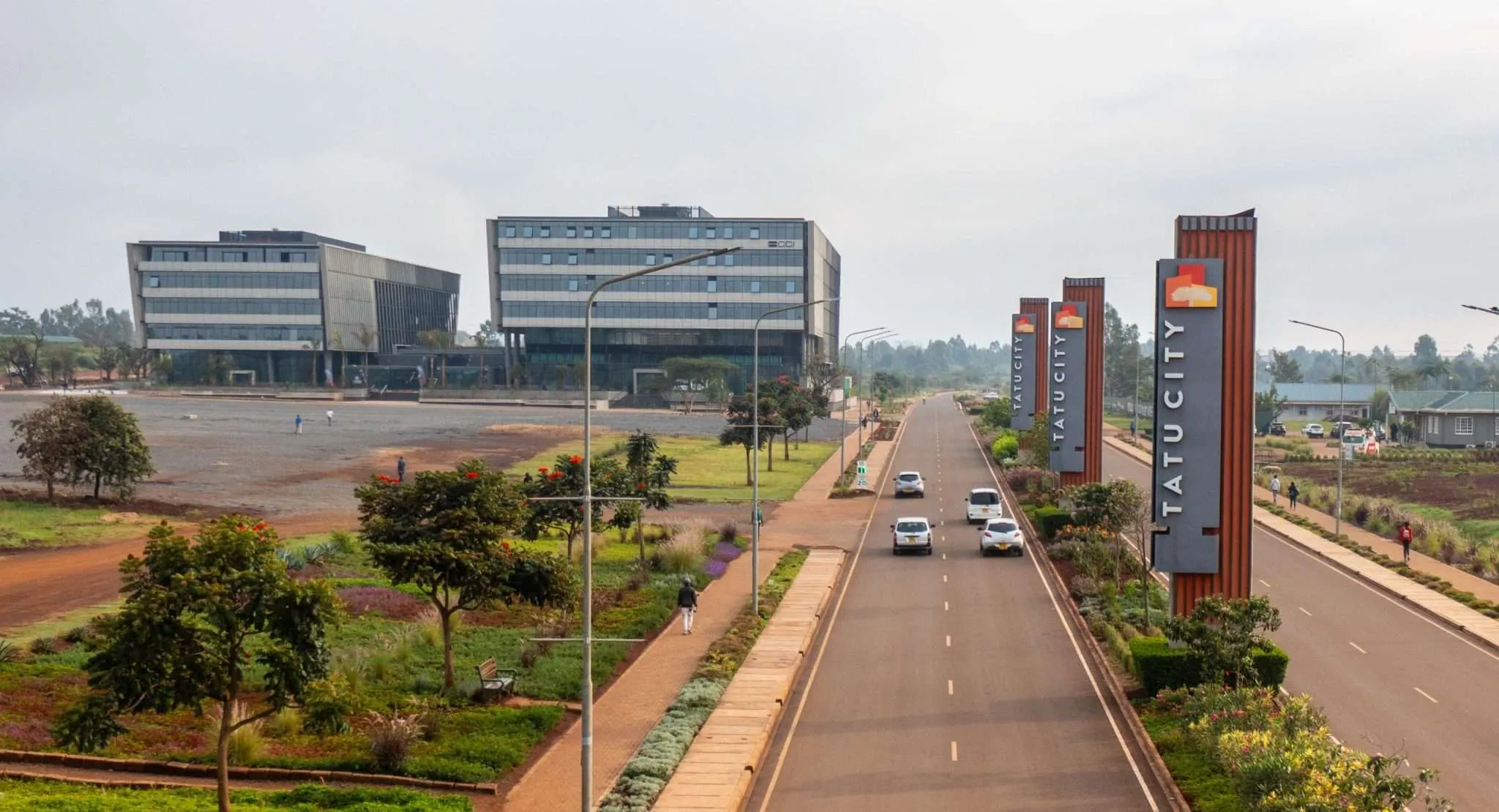
Tatu City plans to invest Sh342.53 million (approximately US$2.65 million) in a 60-hectare wildlife sanctuary, branded as Tatu City Sanctuary.
This initiative, detailed in recent regulatory filings, forms part of the mixed-use special economic zone’s (SEZ) strategy to integrate conservation-led amenities into its master-planned urban environment.
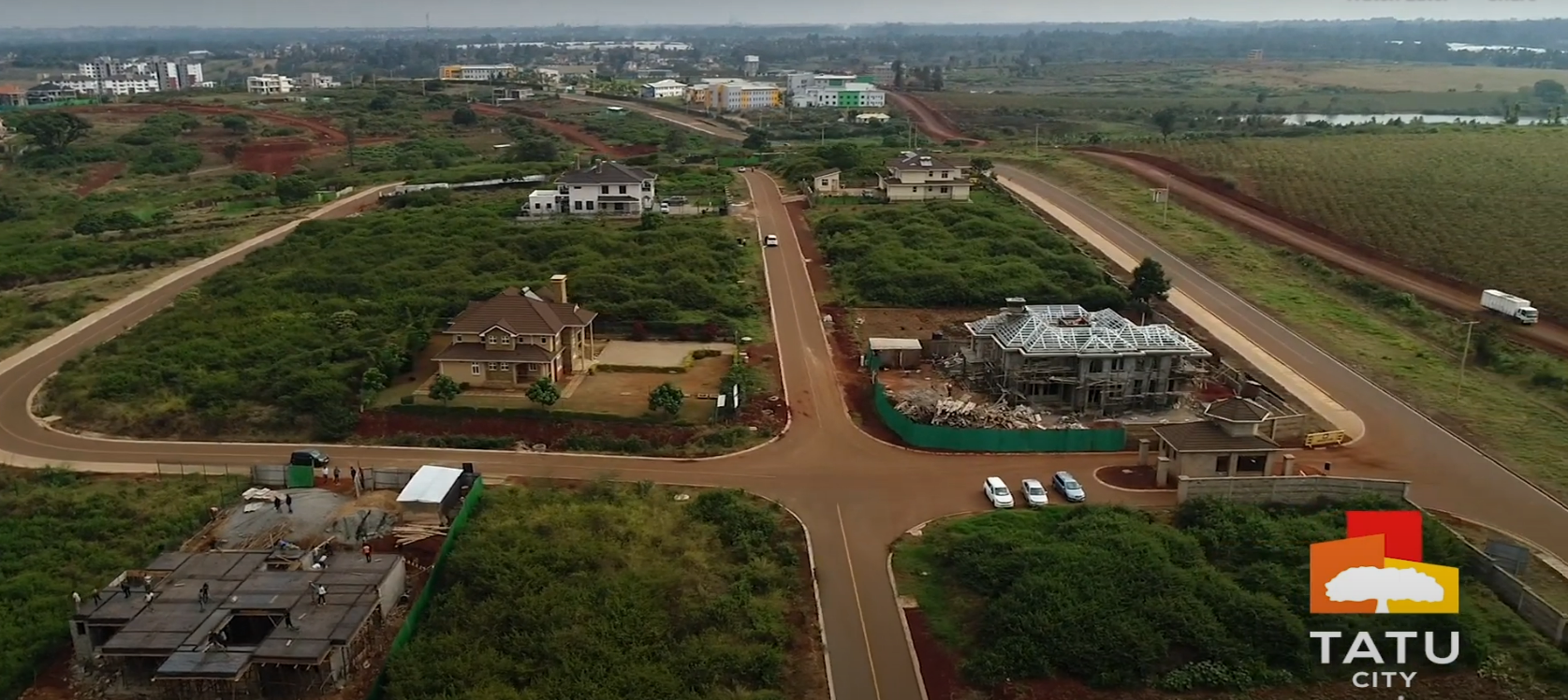
Developed by Rendeavour on a 5,000-acre site in Kiambu County, Tatu City positions itself as a live-work-play destination with infrastructure supporting over 250,000 residents and more than 100 operational or under-development companies.
The sanctuary project broadens this value proposition beyond real estate and industrial incentives to include ecological preservation, environmental education, and differentiated leisure experiences.
Project Scope and Design Features
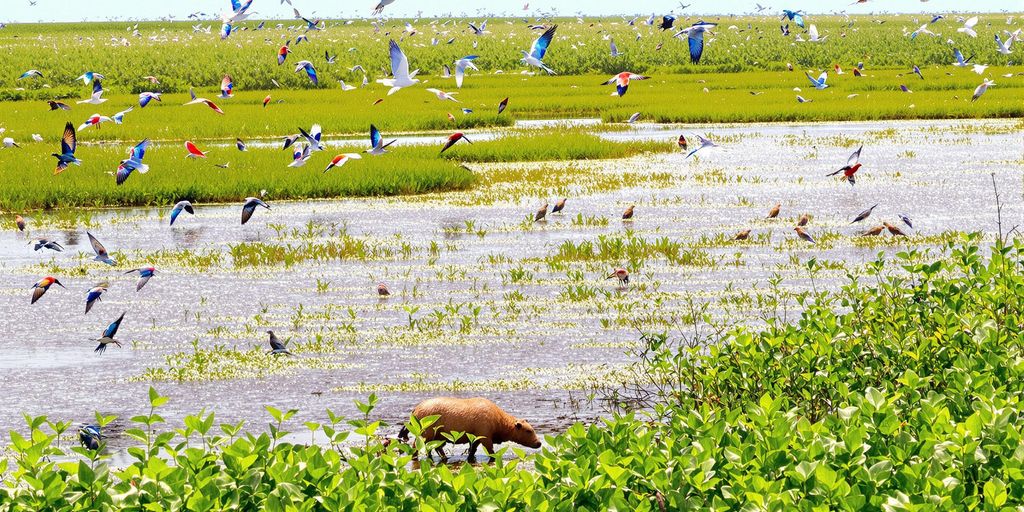
The Tatu City Sanctuary will span 60 hectares of grassland, wetlands, and bushland, creating an ecological haven for diverse indigenous species. Planned elements include:
- A museum dedicated to wildlife and conservation education.
- A safari lodge for controlled visitor accommodation.
- A safari drive station and dedicated parking facilities.
- A pangolin rehabilitation centre focused on protecting and recovering this endangered species.
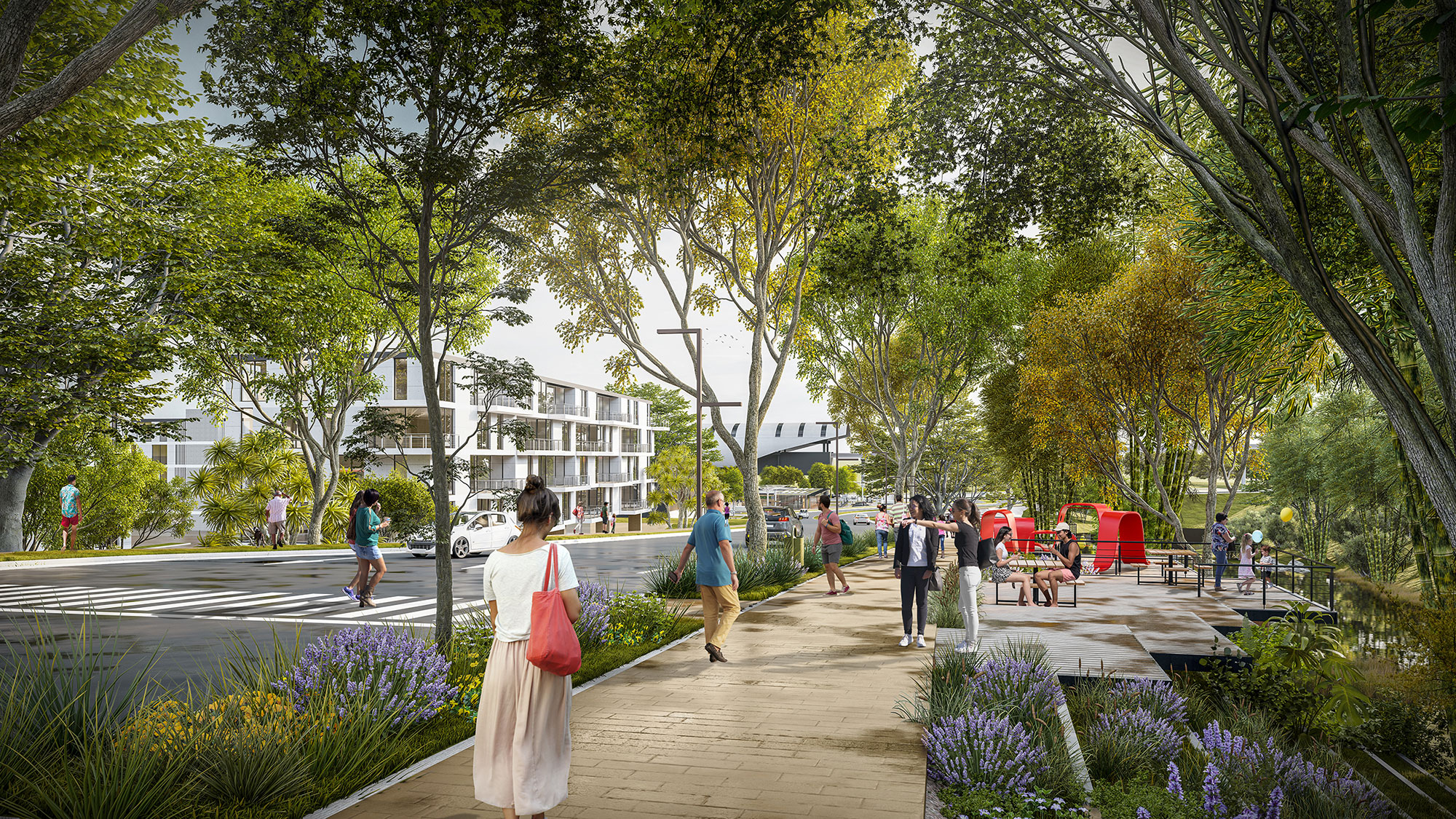
- Integrated green infrastructure, including walking and jogging trails, cycling paths, and buffer zones that allow safe, regulated community interaction with nature.
The rewilding strategy targets species historically present in the area in small numbers, such as giraffes, zebras, waterbucks, limited wild cats, hippos, duikers, serval cats, snakes, and various bird species.
Tatu City has engaged the Kenya Wildlife Service (KWS) for technical guidance to ensure ecological integrity and compliance with conservation standards.
READ ALSO:
Can Cleaner, High-Efficiency Refineries Coexist With Climate Goals?
This design emphasises controlled access and biodiversity restoration, distinguishing the sanctuary from purely commercial developments while aligning with urban planning principles that prioritise sustainability.
Strategic Rationale and Alignment with SEZ Objectives
Tatu City operates as a designated SEZ, offering incentives such as zero-rated VAT, import and stamp duty exemptions, and tiered corporate tax reductions. These measures attract investment in manufacturing, logistics, and services. The sanctuary complements this economic focus by enhancing the “live-work-play” appeal:
- Attracting residents, workers, and visitors through nature-based leisure and tourism.
- Supporting environmental education and community engagement.
- Differentiating Tatu City from conventional urban developments and complementing Nairobi’s conservation ecosystem, including Nairobi National Park, Sheldrick Wildlife Trust, and the Giraffe Centre.
- Reinforcing brand value and driving footfall economics are essential to mixed-use cities.
By allocating significant capital to conservation, Tatu City reframes urban growth as compatible with ecological stewardship, appealing to environmentally conscious investors, families, and businesses.
Broader Implications for Urban Development in Kenya
The project reflects a growing recognition that sustainable urbanisation requires more than infrastructure and incentives, as it demands deliberate environmental integration.
In a context where rapid population growth and urban sprawl place pressure on natural habitats, initiatives like Tatu City Sanctuary demonstrate how private-sector developments can contribute to biodiversity conservation and public amenity provision.
The sanctuary’s inclusion of a pangolin rehabilitation centre addresses a specific conservation priority, as pangolins face severe threats from illegal wildlife trade.
Collaboration with KWS ensures scientific rigour and regulatory alignment, potentially setting a precedent for similar projects in other master-planned zones.
Looking Ahead
Tatu City’s Sh342.53 million commitment to a 60-hectare wildlife sanctuary illustrates a strategic approach to reframing urban growth through conservation.
By embedding ecological preservation within its SEZ framework, the development enhances liveability, attracts diverse stakeholders, and strengthens its competitive positioning as a model for integrated, sustainable urbanism in Kenya.
This initiative positions Tatu City as a forward-thinking example of how private investment can support both economic vitality and environmental resilience. For the most current project details, consult official announcements from Tatu City or Rendeavour.
Tatu City Overview
Tatu City CEO/leadership: The city is developed and managed by Rendeavour, with Preston Mendenhall serving as Country Head, Tatu City, and Group COO for the project in Kenya, overseeing sales, marketing, business development and operations.
Tatu City jobs & salary: Careers and vacancies at Tatu City are listed on its official careers portal; reported salaries (e.g., Procurement Officer ~ KES 1.8M–1.9M/year, Construction Project Manager ~ KES 2.3M–2.5M/year) reflect roles within the company.
Tatu City location: It is a 5,000-acre mixed-use development in Kiambu County, Ruiru Sub-County, off Ruiru Kiambu Road, about 24 km northeast of Nairobi’s CBD.
Tatu City owner: The project is privately developed by Rendeavour, a pan-African real estate and new-city developer.
Tatu City mall / retail district: The city includes a central urban district called Tatu Central with retail, office, dining and leisure spaces like Tatu Plaza and Tatu Box Park that serve as lifestyle and shopping hubs.
How far is Tatu City from Ruiru? Tatu City sits adjacent to Ruiru town, with a road distance of about 5 km, roughly a 9-minute drive by car.
Ronnie Paul is a seasoned writer and analyst with a prolific portfolio of over 1,000 published articles, specialising in fintech, cryptocurrency, climate change, and digital finance at Africa Digest News.


