Ronnie Paul is a seasoned writer and analyst with a prolific portfolio of over 100 published articles, specialising in climate change at Africa Digest News.
During India’s 2025 heatwaves, among the most severe on record, with temperatures exceeding 45°C in parts of Gujarat and Rajasthan, men died visibly on construction sites from heatstroke, but women suffered silently, carrying water farther amid drying sources, cooking without ventilation over open flames, and facing a documented spike in domestic violence when nighttime temperatures lingered above 35°C.
In Ahmedabad alone, where the Heat Action Plan (HAP) has been a global model since 2013, excess heat-related deaths reached an estimated 1,200, with women and girls disproportionately affected by indirect harms like exacerbated gender-based violence and lost livelihoods.
These hidden tolls reveal a deeper truth: climate change amplifies existing gender inequalities, turning everyday survival into a gendered battleground.
Biological Risks: Pregnancy Complications in Extreme Heat
Pregnant women face heightened vulnerability to extreme heat due to physiological changes like increased blood volume and metabolic demands, which impair thermoregulation and strain the cardiovascular system.
A 2024 Nature Medicine meta-analysis of studies from 66 countries found that heat exposure during pregnancy raises risks of preterm birth by 5-16%, stillbirth by up to 27%, low birth weight, gestational diabetes, and congenital anomalies.
In India, where 2025 heatwaves doubled pregnancy heat-risk days compared to pre-industrial baselines, even one day above 32°C wet-bulb temperature can trigger these outcomes, per Climate Central’s analysis.
For instance, in Gujarat, obstetric units reported a 20% surge in heat-related maternal hospitalisations in 2025, including eclampsia and dehydration-induced miscarriages.
Black and Hispanic women globally face double the preterm birth risk from heat, a disparity mirrored in India’s low-income communities where access to cooling or hydration is limited.
These biological risks compound with social barriers, turning heat into a silent threat to maternal and foetal health.
Social Risks: Girls Pulled from School to Fetch Water, Increased Child Marriage During Drought
Climate stressors like droughts and heatwaves disproportionately burden girls with unpaid care work, eroding their education and safety.
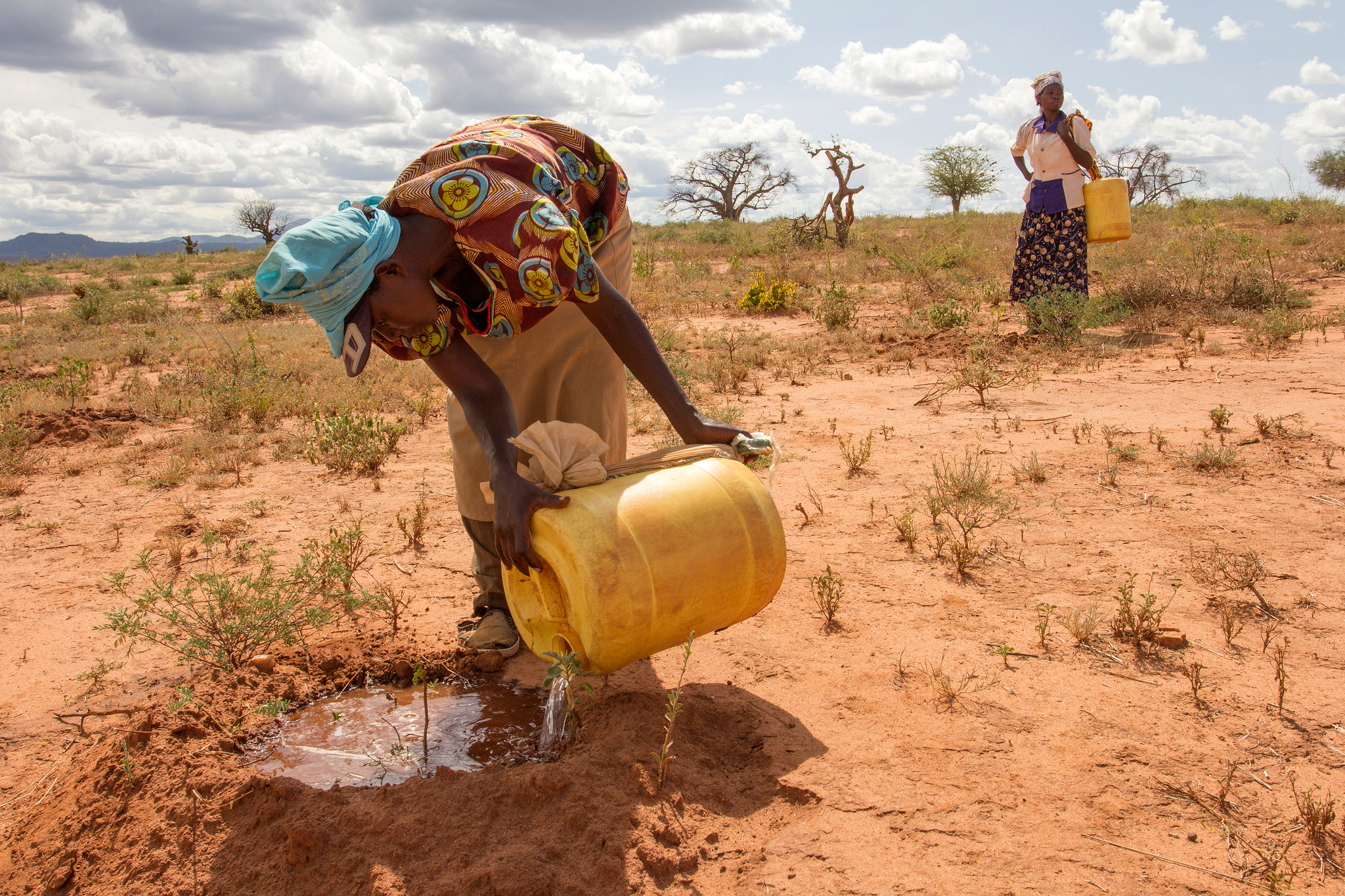
In drought-hit regions of Maharashtra and Rajasthan, girls now walk up to 10 km daily for water, distances having tripled since 2020 missing school and facing assault risks en route.
A 2025 UNESCO report estimates 242 million children globally lost school days to extreme weather in 2024, with girls comprising 70% of dropouts in affected areas like India’s Bundelkhand.
This vulnerability cascades into child marriage, a maladaptive coping strategy amid scarcity. In Ethiopia’s drought zones, mirroring India’s Horn of Africa-like arid belts, rates surged 119% in 2022-2025, with families marrying off girls as young as 12 to reduce mouths to feed.
Save the Children projects 40 million girls at risk by 2050, a 33% rise, as climate shocks in South Asia alone could push 12.5 million into early unions by 2025.
In India, post-2025 drought surveys in Bihar showed a 15% uptick in child marriages among affected households, perpetuating cycles of poverty and limiting girls’ agency.
READ ALSO:
Inside the Growing Fight for Climate Reparations
Economic Risks: Women Dominate Climate-Vulnerable Sectors (70% of Subsistence Farming)
Women comprise 43% of the global agricultural workforce but up to 70-80% in subsistence farming in developing countries, where climate shocks hit hardest.
In Africa and Asia, smallholder women produce half the world’s food yet own less than 20% of land, facing barriers to credit, seeds, and irrigation that amplify drought and heat losses.
In India, where 73% of households in states like Uttar Pradesh rely on subsistence agriculture, 2025’s erratic monsoons wiped out 30-50% of women’s-led plots, per FAO estimates, pushing families deeper into debt.
Women in informal sectors like street vending and garment stitching earn 20-30% less than men and lack shade or breaks, leading to a 14.7% mortality spike during heatwaves, as seen in multi-city studies.
Globally, closing the gender gap in agriculture could boost yields by 20-30% and reduce hunger by 17%, yet women’s under-representation in off-farm agrifood roles (just 24% added when including secondary labour) perpetuates economic fragility.
Bright Spots: Women-Led Solar Cooperatives and Heat-Action Plans in Ahmedabad and Beyond
Amid these challenges, women-led innovations offer hope. In Ahmedabad, the HAP, launched in 2013 and updated annually, will have averted 1,190 deaths yearly by 2025 through targeted alerts, cooling centres, and shaded workspaces for women vendors and labourers.
It explicitly addresses gender vulnerabilities, providing ORS kits and awareness for pregnant women, reducing maternal heat admissions by 25% since 2020.
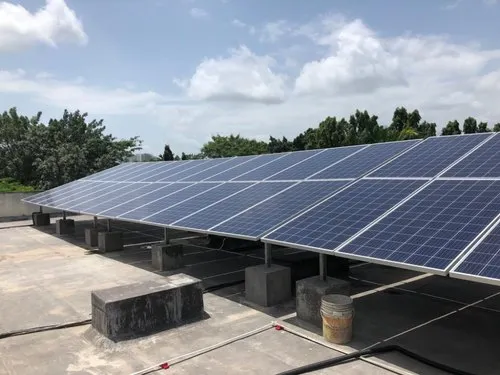
Globally, women-led solar cooperatives are transforming adaptation. In Morocco, trained “solar ambassadors” formed cooperatives producing affordable panels, cutting energy costs 40% and creating 500 jobs for women by 2025.
Bolivia’s rural associations use solar irrigation to sustain crops during droughts, boosting incomes 60% for 1,000+ women via UNDP-backed tech.
In Malawi, the Mtende Cooperative’s solar-powered bakery scaled production, lifting livelihoods 90% for 750 women through entrepreneurship training.
These models, like Jamaica’s NABCEP-trained technicians installing community solar, empower women as leaders, fostering resilience and equity.
Climate change isn’t gender-neutral, and neither should the solutions be. By centering women in policy, finance, and innovation, from HAP expansions to solar scaling, we can turn vulnerability into strength, ensuring a cooler, fairer future for all.