Ronnie Paul is a seasoned writer and analyst with a prolific portfolio of over 100 published articles, specialising in climate change at Africa Digest News.
In 2022, Pakistan, responsible for less than 1% of historical cumulative CO₂ emissions, saw catastrophic floods submerge roughly one-third of its territory at their peak, affecting 33 million people and displacing around 8 million.
This disaster, made far more likely by human-induced climate change, cost over $30 billion in damages and losses.
Yet as of late 2025, G20 nations, collectively responsible for around 80% of historical emissions, are not on track to meet their current 2030 NDC targets, with emissions continuing to rise in many cases.
This is the deep injustice at the heart of the climate crisis: the countries that did the least to cause it are suffering the most, while the biggest historical polluters drag their feet on both emissions cuts and reparative finance.
Historical Emissions vs. Current Impacts
The numbers tell a damning story. According to the latest data from the Global Carbon Project and Our World in Data (up to 2023, with preliminary 2024-2025 trends consistent), the United States, Europe, and other developed nations account for the vast majority of cumulative CO₂ emissions since the Industrial Revolution, with over 50% from Europe and North America alone when including historical contributions.
In contrast:
- Pakistan’s share of cumulative global emissions: <1%
- India: ~3-4%
- All of Africa: ~3%
- Small Island Developing States (SIDS): negligible (<0.1% combined)
Yet these regions bear the brunt of impacts. Developing countries face annual economic losses equivalent to 1-5% of GDP from climate disasters, far higher proportionally than wealthy nations.
The Global South is projected to suffer 75-80% of the economic costs of climate change, despite contributing just ~20% of cumulative emissions.
Case Studies: Pakistan Floods, Horn of Africa Drought, Small Island Developing States
Pakistan 2022 Mega-Floods
Monsoon rains 190-450% above normal, amplified by climate change, devastated one-third of the country. Over 1,700 deaths, 33 million affected, 8 million displaced, and $30+ billion in damages.
World Weather Attribution found climate change made the event much more intense. Pakistan’s per capita emissions remain among the world’s lowest (~1 ton CO₂e/year vs. the global average of ~6.7).
Horn of Africa Drought (2020-2025 ongoing)
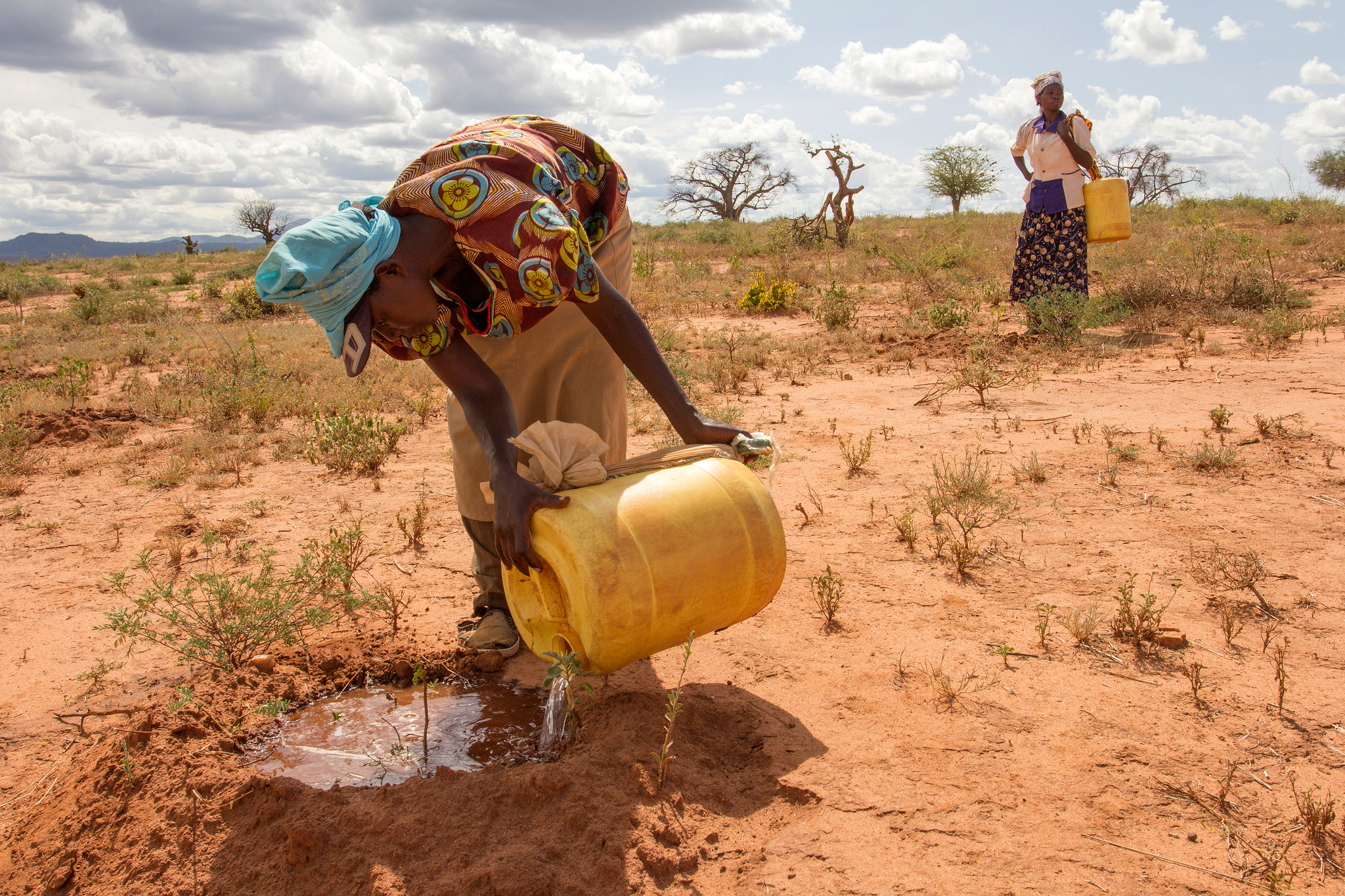
Five consecutive failed rainy seasons (2020-2023), the worst in 40 years, followed by erratic floods. Climate change made the drought at least 100 times more likely.
As of 2025, over 50 million people face food insecurity, with millions displaced and livestock losses devastating pastoralist communities in Ethiopia, Kenya, and Somalia. Acute malnutrition rates exceed emergency thresholds in many areas.
READ ALSO:
How Indigenous Knowledge Is Beating Climate Models
Small Island Developing States (SIDS)
From 1970 to 2020, SIDS lost $153 billion to extreme weather, equivalent to significant portions of their GDPs. Rising seas, intensifying cyclones (e.g., Hurricane Beryl in 2024, Melissa in 2025), and coral bleaching threaten existence itself.
Tuvalu, Maldives, and others face permanent flooding, with annual adaptation needs estimated at $12 billion across all SIDS, yet they receive a fraction of global climate finance.
These are not isolated events; they are the predictable consequences of a warming world fuelled overwhelmingly by the Global North.
The $100 Billion Climate-Finance Promise: Finally Met, But Too Late and Too Little
Agreed in 2009 and extended to 2025, developed countries committed to mobilise $100 billion annually for developing nations. They missed the 2020 deadline by years, only surpassing it in 2022 with $115.9 billion (OECD figures).
Shortfalls in earlier years mean cumulative under-delivery, and much of the finance came as loans (not grants), adding to debt burdens.
As the goal expires in 2025, COP29’s New Collective Quantified Goal (NCQG) set a disappointing $300 billion by 2035, far below the trillions needed.
Loss & Damage Fund: Operationalised at COP29, But Nowhere Near Enough
A hard-won victory for the Global South, the Fund for Responding to Loss and Damage (FRLD) was fully operationalised at COP29 in 2024, with the World Bank as interim host and arrangements formalised.
As of mid-2025, pledges total ~$768-789 million (with ~$348-475 million paid in). First disbursements are planned for 2025-2026 via a pilot phase.
But this is a drop in the ocean. Developing countries face $400-580 billion annually in loss and damage by 2030, rising to trillions by mid-century.
The fund’s current capitalisation covers less than 0.2% of annual needs. Without massive scaling, including new pledges from high emitters like China (under pressure) and innovative sources, it risks becoming symbolic rather than transformative.
Until the biggest historical polluters pay their fair share through deep emissions cuts, grant-based finance, and full capitalisation of loss and damage mechanisms, the moral and financial debt will only grow, along with the body count. The Global South cannot wait another decade for justice.