
Spiro has raised Sh903 million (approximately US$7 million) to accelerate the expansion of its electric motorcycle fleet and battery-swapping infrastructure across Kenya and other African markets.
This funding round, announced in mid-February 2026, enables the company to intensify rider acquisition, increase the density of swap stations, and scale overall fleet operations.
Spiro’s model allows motorcycle operators to exchange depleted batteries for fully charged ones in minutes at dedicated stations, eliminating charging downtime and transforming energy into a predictable operating expense.
The investment reinforces Spiro’s position in the rapidly growing electric mobility sector by addressing the primary barriers of cost, reliability, and scalability for high-utilisation urban transport.
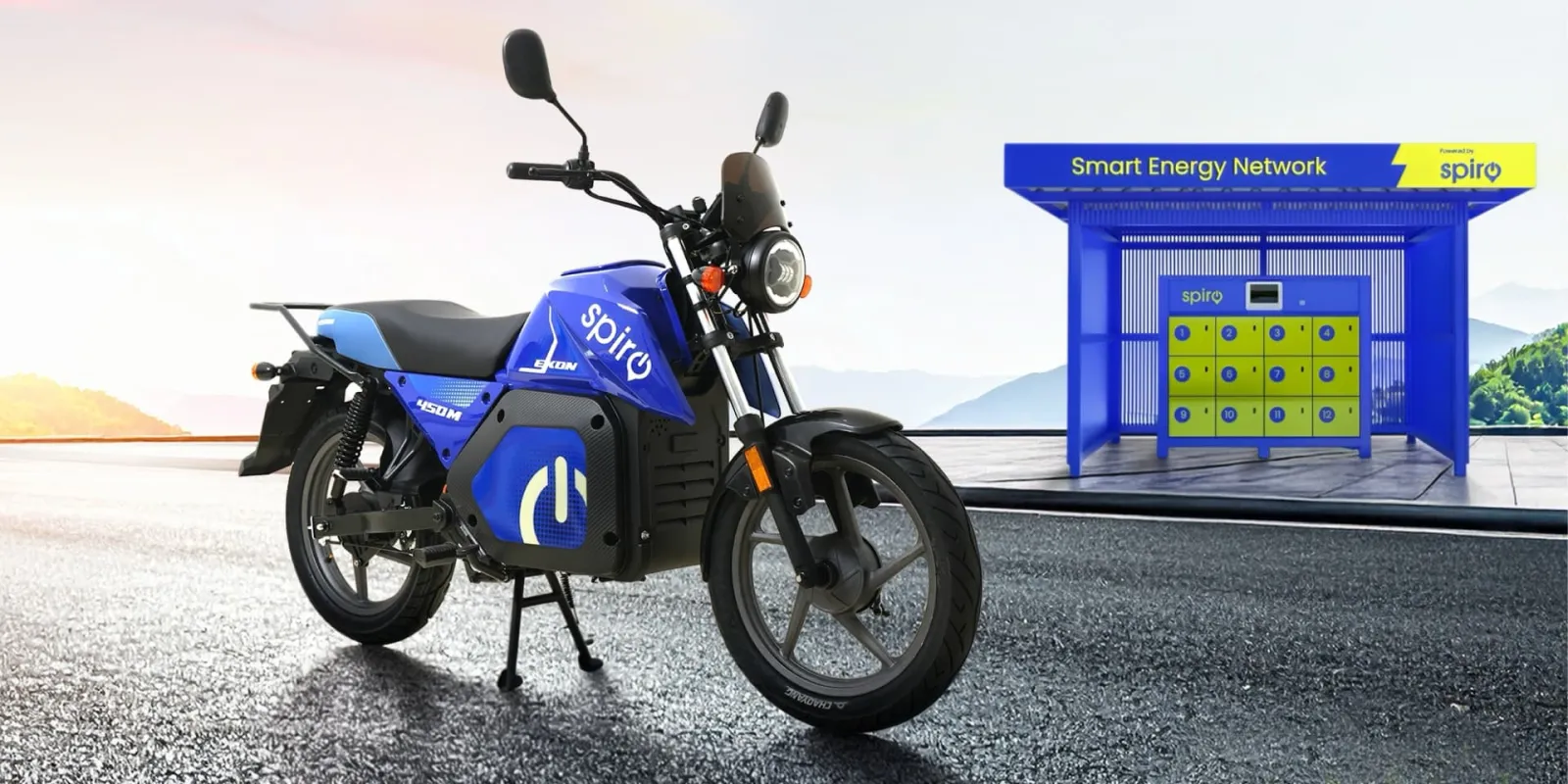
Current Scale and Operational Footprint
Spiro has achieved significant global and local traction:
- More than 80,000 electric motorcycles sold across Africa.
- Over 2,500 battery-swapping stations deployed.
- More than 30 million battery swaps completed.
- Over 1 billion CO₂-free kilometres driven.
In Kenya, the company has reached:
- More than 16,000 motorcycles sold (out of a cumulative 24,000 electric vehicles in the country).
- Over 350 swap stations operational.
- Presence in more than 30 counties.
These figures position Spiro as the dominant player in Kenya’s electric motorcycle segment, capturing a substantial share of the transition from internal combustion engines to electric alternatives.

Deployment of Funds and Strategic Priorities
The Sh903 million will be directed toward three core areas:
- Rider Acquisition — Expanding the base of operators through targeted onboarding, financing, and incentives to transition from petrol to electric motorcycles.
- Station Density — Increasing the number and geographic spread of swap stations to reduce travel time between swaps and improve service availability, particularly in high-density urban areas and peri-urban routes.
- Fleet Growth — Scaling the overall number of electric motorcycles in operation to meet rising demand from boda-boda riders and delivery services.
Spiro structures daily leasing rates to remain competitive with petrol alternatives, with battery swaps included in the package. This approach ensures continuous vehicle availability and predictable costs for operators.
A dedicated mobile app manages lease payments, station location mapping, battery availability, and access to delivery contracts, creating an integrated operational ecosystem.
READ ALSO:
What Spiro’s $100M Funding Means for Africa’s EV and Clean Energy Ambitions
Competitive Positioning in Pay-as-You-Go Mobility
Spiro operates in the pay-as-you-go mobility financing space, where long-term adoption depends more on reliability, network coverage, and total cost of ownership than on headline vehicle specifications.
By controlling both hardware and energy infrastructure, Spiro delivers a vertically integrated solution that reduces downtime and mitigates fuel-price volatility.
The company competes directly with other players in electric mobility, but its battery-swapping model provides a structural advantage in high-utilisation environments where charging infrastructure remains limited.
The recent funding strengthens this competitive edge by enabling faster network expansion and greater service density.
Alignment with Kenya’s Electric Mobility Momentum
Spiro’s expansion aligns closely with Kenya’s accelerating adoption of electric vehicles. Kenya Power estimates approximately 35,000 electric vehicles on the road by the end of 2025, up from 5,294 in 2024, with motorcycles and buses accounting for the majority of growth.
This trend creates a supportive ecosystem for battery-swapping infrastructure, as increased adoption drives demand for reliable, high-density energy access points.
The funding positions Spiro to capitalise on this momentum, contributing to reduced urban emissions, lower operating expenses for riders, and greater reliability in Kenya’s informal transport sector.
Looking Ahead
Spiro’s Sh903 million funding round significantly strengthens its growth strategy by enabling accelerated rider acquisition, denser battery-swapping networks, and broader fleet expansion across Kenya and beyond.
By addressing the core cost and reliability challenges faced by urban motorcycle operators, the company reinforces its leadership in electric mobility while aligning with Kenya’s rapid transition to electric vehicles.
This investment underscores private-sector confidence in scalable, low-cost alternatives to internal combustion engines in high-utilisation transport markets.
For the most current details on leasing, station locations, and availability, consult official channels from Spiro or its distribution partners.
Spiro Overview
Spiro EKON 450 price in Kenya: The basic Spiro Ekon electric motorcycle is listed around KES 152,000 as a retail price at local suppliers.
Used Spiro motorcycle price in Kenya: On marketplaces like Jiji, used Spiro electric bikes (such as the Ekon models) appear in listings from roughly KES 80,000–120,000 depending on condition and battery setup.
Spiro Ekon M2 price in Kenya: Specific M2 variant prices locally aren’t widely published, but higher-spec Ekon models commonly sell above the base Ekon price and can approach KES 195,000+ when financed through partners like Watu Credit.
Spiro electric motorcycle price: The general electric motorcycle segment shows Spiro bikes priced from about KES 152,000 for entry models and higher for more feature-rich or financed options.
Spiro Kenya contacts: Local dealers often list WhatsApp/phone contacts such as 0758 409 207 for sales and showroom enquiries in Nairobi and Mombasa.
Spiro Motorcycle charger price in Kenya: Chargers advertised on classifieds like Jiji are around KES 4,500–4,900 for compatible electric bike chargers.
Spiro Motorcycle Charger price in Kenya Jumia: Specific charger listings under the Spiro brand aren’t reliably found on Jumia at this time; classifieds often provide the best price guide for accessories like chargers.
Ronnie Paul is a seasoned writer and analyst with a prolific portfolio of over 1,000 published articles, specialising in fintech, cryptocurrency, climate change, and digital finance at Africa Digest News.


