Published on: Mar 16, 2026
Sahel Capital has approved a $1 million loan facility to Zigoti Coffee Works Limited (commonly known as Zigoti), a leading Ugandan coffee processor and exporter.
The funding is extended through Sahel Capital’s Social Enterprise Fund for Agriculture in Africa (SEFAA), an impact-oriented vehicle that provides structured debt to agribusinesses serving smallholder farmers across sub-Saharan Africa.
This investment will enable Zigoti to scale its operations, expand sourcing from smallholder farmers, broaden its farmer network, and strengthen support through enhanced technical assistance, training, and value-added services.
The deal highlights the vital role of patient capital in strengthening agricultural value chains, particularly in high-potential export commodities like coffee, while delivering measurable social impact for rural communities in Uganda.
The Financing Structure and Purpose
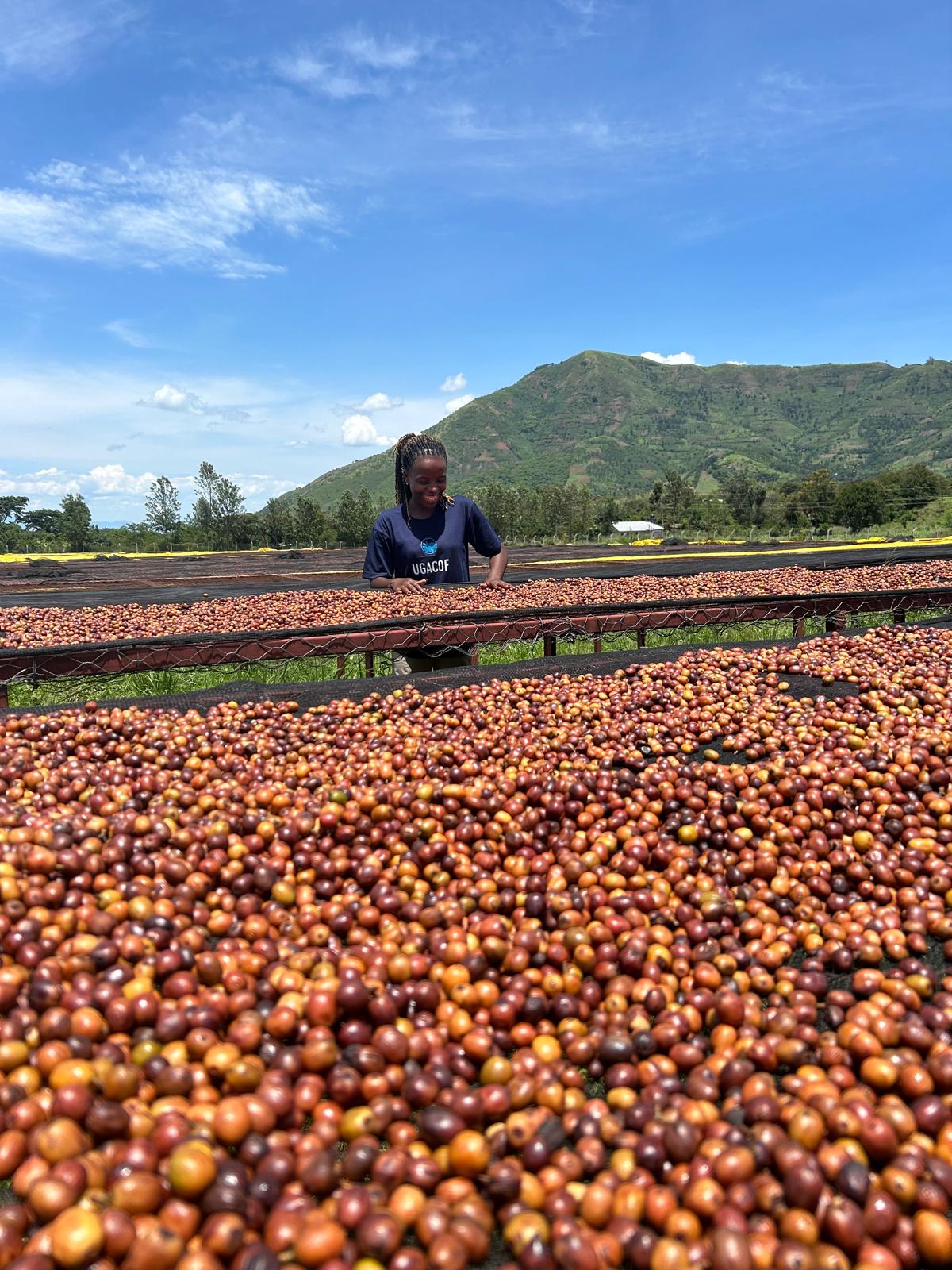
The $1 million loan facility is structured as impact-focused debt to support Zigoti’s full coffee value chain operations from sourcing and processing to milling and export of both Robusta and Arabica varieties.
Key objectives of the financing include:
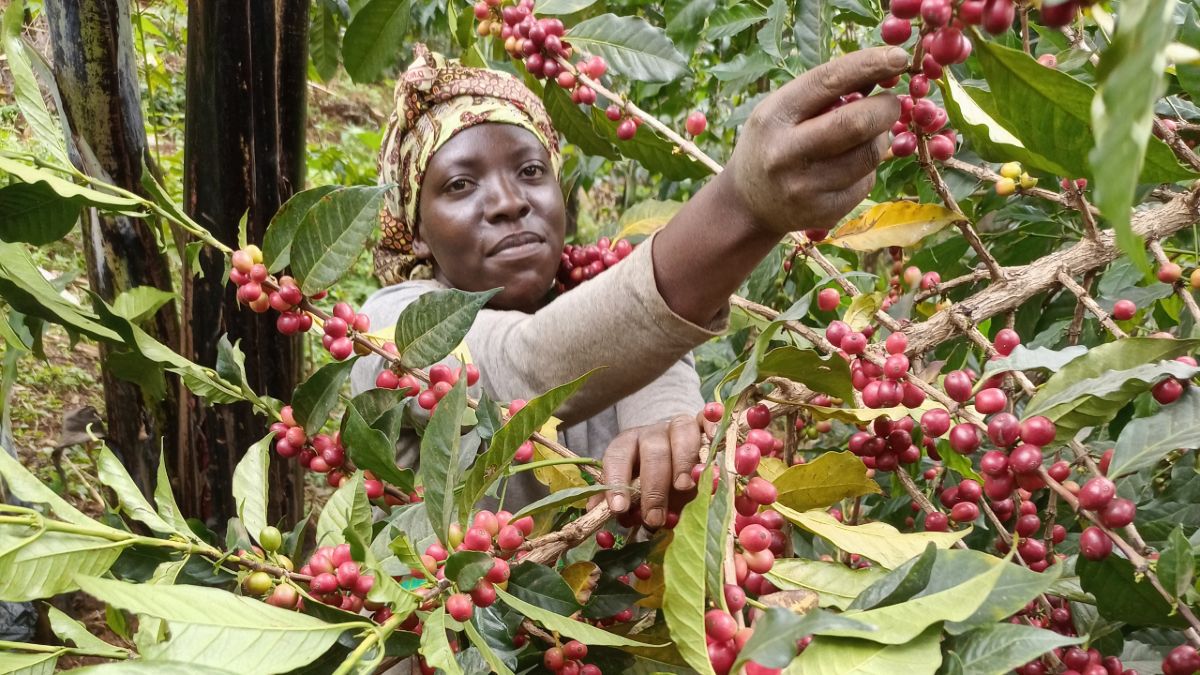
- Scaling coffee aggregation and sourcing from over 4,000 smallholder farmers (with ambitions to expand the network significantly).
- Enhancing farmer engagement through extension services, agronomic training programmes, and interventions to improve crop quality and yields.
- Providing stable market access and value-added support to boost farmer incomes and livelihoods.
- Strengthening overall operational capacity for sustainable growth in Uganda’s competitive coffee export sector.
By delivering structured, long-term financing, SEFAA enables Zigoti to pursue impact-driven expansion while maintaining financial discipline and avoiding heavy equity dilution during this growth phase.
Alignment with Impact and Development Objectives
Uganda is one of Africa’s top coffee producers and exporters, with the sector heavily reliant on smallholder farmers who often face challenges such as limited market access, low productivity, and fluctuating prices.
Traditional supply chains can leave farmers vulnerable, but companies like Zigoti address these gaps by building direct, supportive relationships.
Zigoti’s model delivers clear benefits:
- Improved Farmer Livelihoods: Stable offtake agreements, fair pricing, and training help increase incomes and build resilience.
- Quality and Sustainability Gains: Extension services and value-added support promote better farming practices, higher-grade coffee, and long-term environmental stewardship.
- Economic Inclusion: With roots dating back to 1984 in rural Zigoti, Central Uganda, the company has evolved into a trusted partner for thousands of producers, many in remote areas.
READ ALSO:
What Sahel Capital’s $1.5 Million Loan Means for Nigeria’s Cocoa Sector
Zakayo Ngetich, Vice President for East and Southern Africa at Sahel Capital, stated:
“We are pleased to onboard Zigoti as one of our portfolio companies. With over four decades of experience in the coffee sector, Zigoti has built deep regional expertise and a strong track record across the value chain.”
This investment aligns closely with SEFAA’s mission to back viable social agricultural enterprises that enhance smallholder productivity, create economic opportunities, and contribute to poverty reduction across the continent.
Broader Role of Impact Finance in African Agribusiness
The Sahel Capital–Zigoti transaction demonstrates how specialised funds are channeling capital into agriculture enterprises that generate strong dual financial and social returns.
Impact investors and development-focused vehicles increasingly prioritise:
- Agribusiness models that directly benefit smallholder farmers through better market linkages and services.
- High-export-potential sectors like coffee, where Uganda holds a competitive edge.
- Scalable platforms capable of reaching thousands of producers with targeted funding.
Patient debt from funds like SEFAA helps de-risk growth, build operational track records, and attract additional capital as companies mature and demonstrate impact.
Looking Ahead
Sahel Capital’s $1 million loan facility to Zigoti Coffee Works through SEFAA illustrates the power of targeted impact financing in Uganda’s coffee sector.
By supporting expanded sourcing, farmer training, and operational scaling, the investment strengthens the value chain, uplifts more than 4,000 smallholder farmers, and advances sustainable livelihoods in rural communities.
This deal reflects the growing momentum of structured finance in African agriculture, blending commercial viability with meaningful social outcomes.
For the latest details on the facility or Zigoti’s ongoing initiatives, refer to official announcements from Sahel Capital or Zigoti Coffee Works.
Social Enterprise Fund for Agriculture in Africa (SEFAA) Overview
Social Enterprise Fund for Agriculture in Africa (SEFAA) is an impact investment fund that provides financing to small and medium-sized agribusinesses across Africa.
The SEFAA Fund focuses on strengthening agricultural value chains and improving food security. SEFAA Sahel refers to the initiative’s activities and investments in the Sahel region.
The fund is managed by Sahel Capital, which specialises in food and agriculture investments.
Sahel Capital in Kenya reflects the firm’s regional presence and investments supporting agribusiness growth and agricultural enterprises in East Africa.
Ronnie Paul is a seasoned writer and analyst with a prolific portfolio of over 1,000 published articles, specialising in fintech, cryptocurrency, climate change, and digital finance at Africa Digest News.