Swedfund has committed US$15 million to Phatisa Food Fund 3 (PFF 3), a private equity fund dedicated to established agribusinesses and food-related companies across Africa.
This investment forms part of the fund’s first close of US$86 million, announced in February 2026, and joins commitments from British International Investment (BII), Norfund, the International Finance Corporation (IFC), and FinDev Canada.
PFF 3 targets scalable businesses positioned for expansion or ownership transitions, focusing on strengthening their roles within the food value chain.
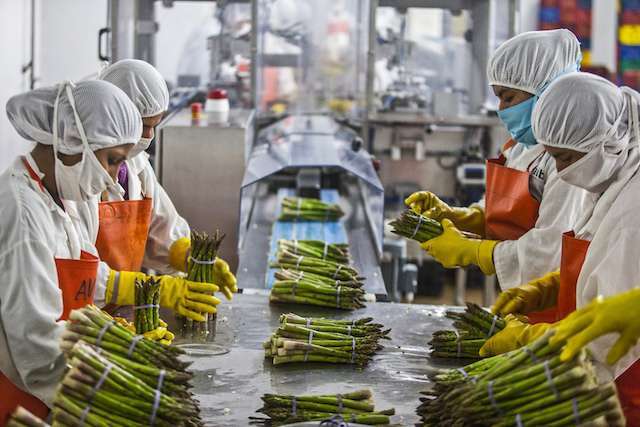
The fund invests in established enterprises across agri-inputs (such as seeds, crop protection, fertiliser, and agri-tech) and downstream activities (processing, food production, cold chain, storage, logistics, distribution, retail, and related services), while excluding primary agriculture production.
Swedfund’s Strategic Rationale
Swedfund’s participation aligns with its mandate to promote sustainable and inclusive economic development through long-term capital deployment.
Sebastian Süllmann, Swedfund’s Investment Manager for Food Systems, stated, “Strengthening food systems is essential for inclusive and resilient growth across African markets. Through this investment, we help channel long-term capital to companies that can expand production, support decent jobs, and improve access to affordable and nutritious food. The investment also contributes to deeper value chain integration, supporting more stable and sustainable livelihoods over time.”

The commitment reflects Swedfund’s focus on addressing structural constraints in African food systems, including limited access to yield-enhancing technologies, high post-harvest losses, inefficient supply chains, and the need for greater resilience to climate variability.
By backing enterprises that can scale responsibly, Swedfund aims to generate both financial returns and measurable development outcomes, such as job creation, improved food security, and enhanced livelihoods.

READ ALSO:
Phatisa Targets Africa’s Food Value Chain with US$86 Million First Close for Food Fund 3
Fund Structure and Investment Focus
Phatisa Food Fund 3 targets commercially viable businesses that can deliver returns while contributing to sustainable food systems. Key characteristics include:
- Investments in companies with proven operations and growth potential.
- Emphasis on climate resilience, particularly through the adoption of hybrid seeds and sustainable practices.
- Alignment with frameworks such as Gender 2X certification to promote inclusive growth.
- A disciplined investment approach that combines financial discipline with impact measurement.
The fund builds on Phatisa’s established track record in the sector, supported by a consortium of development finance institutions that bring both capital and expertise in emerging markets.
Broader Implications for African Agribusiness
Swedfund’s investment contributes to the mobilisation of long-term, patient capital for Africa’s agrifood sector, a critical requirement for addressing food security, employment generation, and economic resilience.
The continent faces structural demand drivers, including rapid population growth, urbanisation, and projected increases in food import expenditure.
By supporting established enterprises, the fund aims to enhance value chain integration, improve productivity, and reduce inefficiencies.
The collaboration also signals continued institutional interest in African private equity funds that balance commercial returns with development impact, particularly in food systems where private-sector-led solutions are essential for scale and sustainability.
Looking Ahead
Swedfund’s US$15 million commitment to Phatisa Food Fund 3 represents a strategic investment in the expansion of established agribusinesses and food-related companies across Africa.
Through this participation, Swedfund supports long-term capital deployment that strengthens production capacity, fosters job creation, and improves access to nutritious food while contributing to deeper value chain integration and sustainable livelihoods.
This transaction reinforces the role of development finance in catalysing private-sector solutions to food system challenges.
For the most current details on fund progress and portfolio developments, refer to official announcements from Swedfund or Phatisa.
Phatisa Overview
Phatisa is an Africa-focused private equity firm that invests in sectors aligned with food security, consumer growth, and sustainable development across the continent.
The Phatisa Food Fund is the firm’s flagship investment vehicle targeting agribusiness and food value chains in sub-Saharan Africa. It focuses on primary production, processing, distribution, and food-related manufacturing businesses that enhance regional food systems.
Phatisa Food Fund 3 (often referred to as Food Fund III) is the latest generation of the strategy, structured to scale high-impact food and agriculture investments while embedding ESG and climate-smart principles into portfolio companies.
More broadly, a Phatisa fund typically refers to one of its private equity vehicles dedicated to food, agriculture, and consumer sectors in Africa.
The Phatisa investment committee is responsible for approving investments, overseeing risk management, and ensuring alignment with the firm’s impact and return objectives before capital deployment.
Ronnie Paul is a seasoned writer and analyst with a prolific portfolio of over 1,000 published articles, specialising in fintech, cryptocurrency, and digital finance at Africa Digest News.