MTN Nigeria is rolling out one of the country’s most ambitious telecoms energy transitions, partnering with First WATT Renewable Limited to deploy 34 megawatts of solar photovoltaic capacity and 40 MWh of battery energy storage across critical network infrastructure while simultaneously installing electric vehicle charging stations at eight locations nationwide.
The programme places MTN Nigeria at the forefront of green energy Africa advocates have long called for in the telecommunications sector, targeting a reduction of approximately 25,000 tonnes of CO₂ equivalent emissions over five years.
It also positions the company as an early mover in the emerging EV charging space, a segment where reliable and clean power supply has historically been a barrier to adoption.
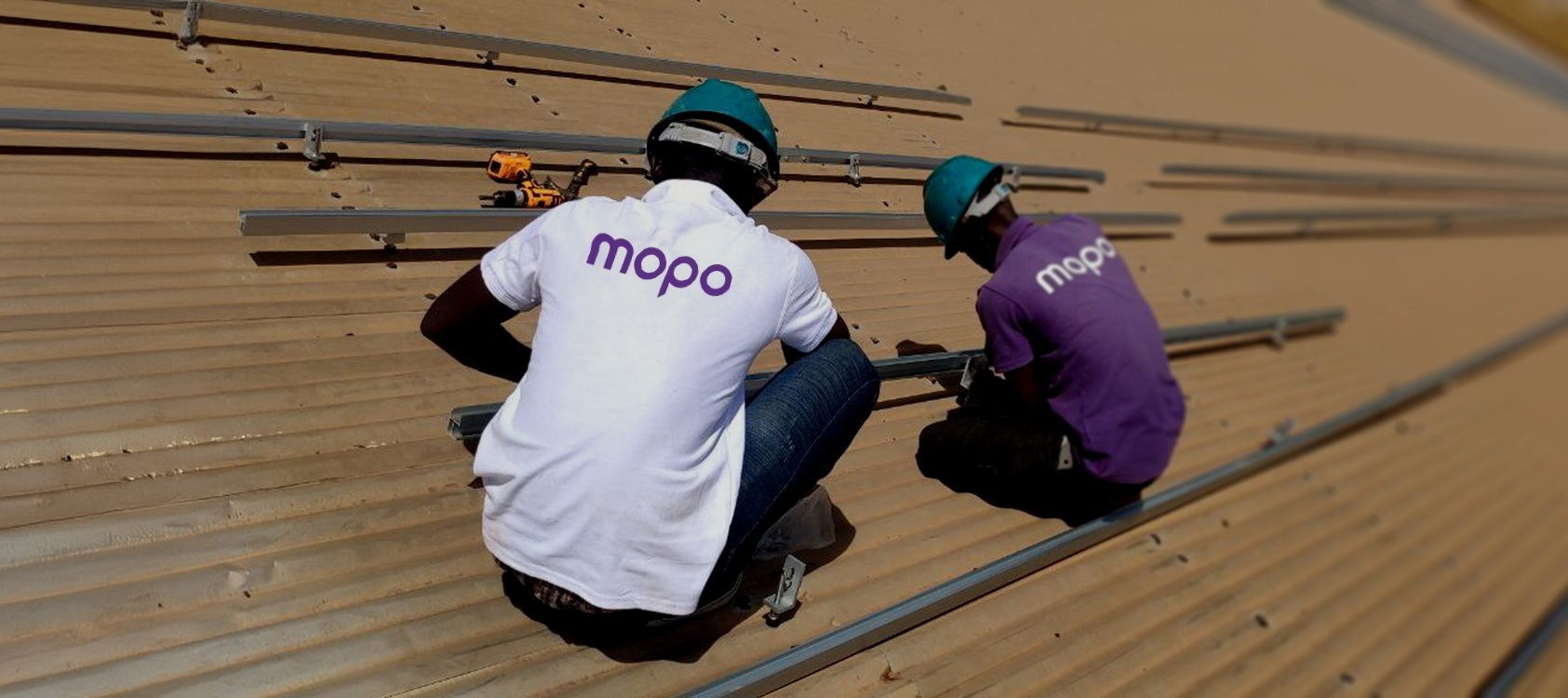
Under the agreement, First WATT Renewable Nigeria will deploy solar photovoltaic generation across selected MTN sites, including data centres, switch facilities, cable landing stations, and customer service centres.
Battery storage will provide the energy resilience needed to keep these systems operational during grid disruptions, directly addressing a longstanding challenge in Nigeria’s telecoms solar energy infrastructure.
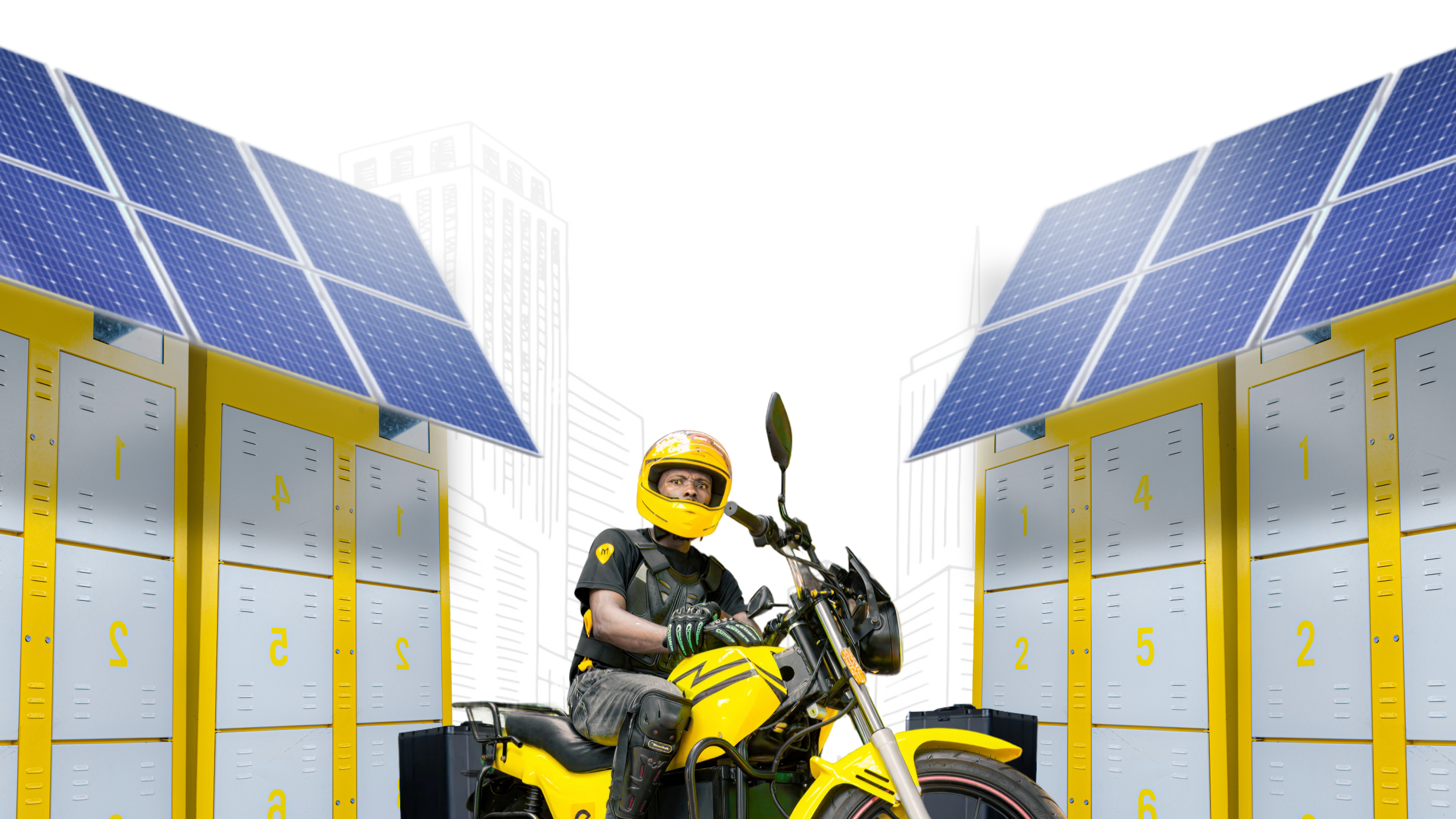
The EV charging component spans eight MTN locations covering Ikoyi, Matori, Ojota, Abuja, Port Harcourt, Asaba, Kano, and Ibadan, each equipped with 60 kW charging stations powered by the on-site renewable systems.
This pairing of solar generation with EV infrastructure is central to the logic of the initiative: cleaner energy supply makes EV adoption more credible, particularly in markets where grid reliability remains inconsistent.
READ ALSO :
Why Investors Are Backing Holocene’s Vision for Climate Innovation in Africa
Oluwole Eweje, Chief Executive Officer of WATT Renewable Corporation, said the partnership marks a defining milestone for First WATT and a meaningful contribution to the energy backbone supporting Nigeria’s digital economy.
“By providing renewable power systems for EV charging sites, this programme helps address one of the key requirements for wider EV adoption: reliable and cleaner energy supply,” he said.
For MTN Nigeria, the initiative advances Project Zero, the company’s overarching sustainability framework aimed at eliminating carbon emissions from its operations.
The deployment directly targets diesel dependency, which has long driven costs and emissions across Nigeria’s telecoms infrastructure.
Tobechukwu Okigbo, Chief Corporate Services and Sustainability Officer at MTN Nigeria, said the partnership supports the company’s broader goals of improving operational efficiency and building infrastructure resilience.
“As Nigeria’s energy and mobility landscape evolves, renewable energy will play an important role in building cleaner and more reliable infrastructure,” he said.
The MTN Nigeria First WATT renewable energy solar battery storage and EV charging programme reflects a broader shift in how Nigerian enterprises are approaching energy strategy: not simply as a cost line but as a competitive and reputational asset.
With MTN Nigeria Project Zero renewable energy sustainability ambitions now backed by concrete infrastructure, the collaboration sets a benchmark for how telecoms companies across the continent can decarbonise without compromising the network reliability their customers depend on.