British International Investment (BII) has become an anchor investor in the Allianz Credit Emerging Markets fund (ACE), a landmark blended finance vehicle designed to mobilise private capital for climate-aligned investments in emerging markets.
Announced in January 2026, this commitment positions BII as a key participant in the junior tranche, contributing $40 million alongside other development finance institutions, including Global Affairs Canada, IDB Invest, Sida, and Impact Fund Denmark, totalling $150 million in concessionary capital.

The fund has achieved $690 million in commitments at first close, toward a $1 billion target, with private investors expected to commit up to $850 million in the senior tranche anchored by Allianz SE and GastroSocial Pensionskasse.

Blended Finance Structure and Risk Mitigation
ACE employs a blended finance model where $150 million in concessional junior capital from public and development sources absorbs first-loss risk, thereby improving risk-adjusted returns for private institutional investors in the senior tranche.
This de-risking mechanism addresses barriers that have historically limited institutional participation in emerging market climate debt, such as perceived credit and country risks.
The structure enables the fund to target investments in renewable power, clean transportation, sustainable agriculture, and climate-resilient financial services, sectors critical to low-carbon transitions in developing economies.
Leslie Maasdorp, Chief Executive of BII, stated, “At BII we recognise that we must use our scarce concessionary capital to unlock the vast pools of private finance required to meet the global challenge of the climate emergency and drive sustainable, impact-led growth in some of the least developed countries in the world.”

Edouard Jozan, Head of Private Markets at AllianzGI, added: “Addressing climate change cannot be focused solely on developed markets. Launching ACE is a bold step forward in mobilising institutional capital to address global development priorities, including climate.”
Significant Allocation to Africa
Approximately 40% of ACE disbursements are earmarked for Africa, a higher proportion than most blended finance vehicles, reflecting targeted support for the continent’s urgent climate adaptation and mitigation needs.
This allocation prioritises scalable projects in renewable energy generation, clean mobility solutions, and resilient agricultural systems.
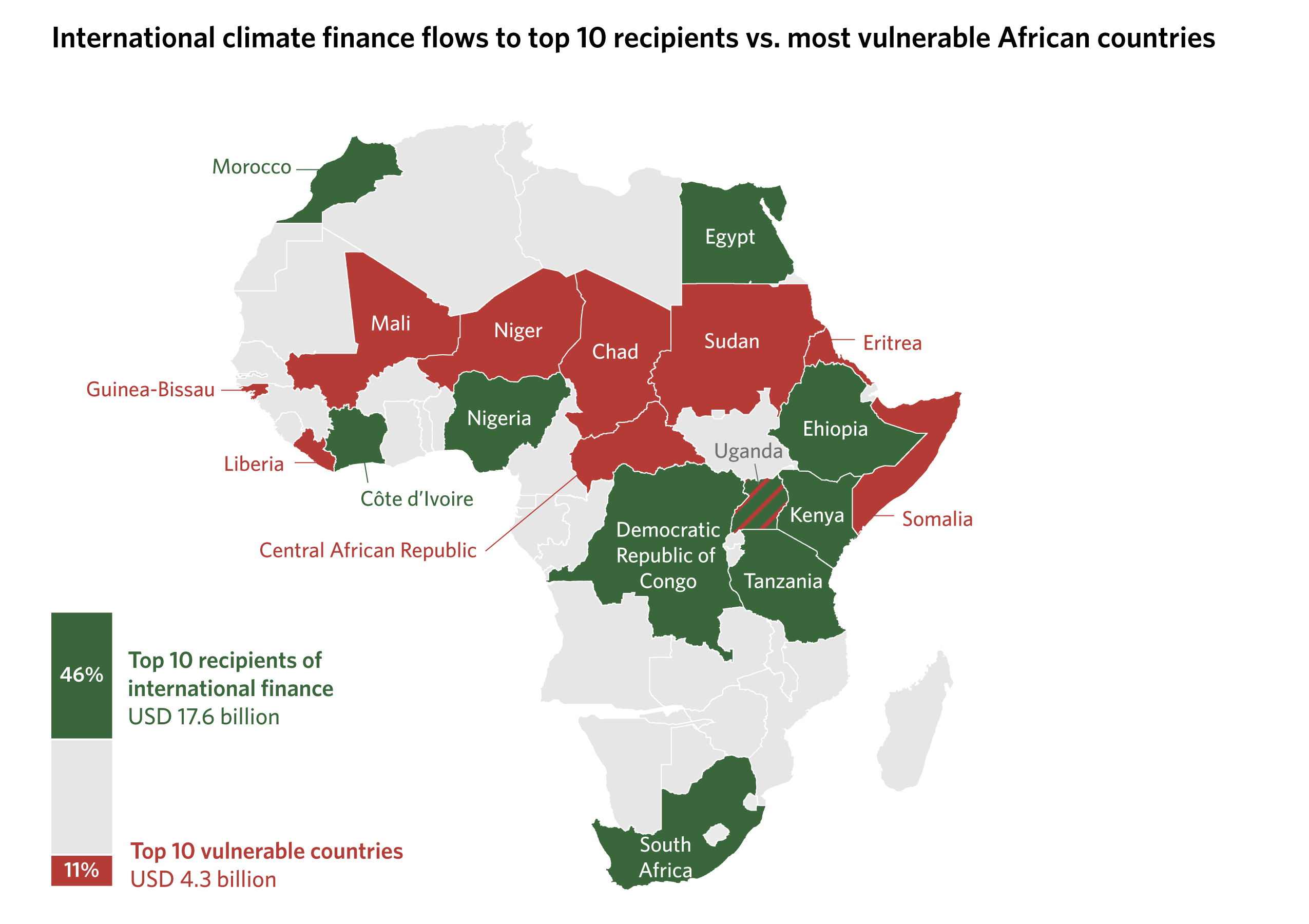
The remaining commitments will support emerging economies in other regions, ensuring diversified exposure while maintaining a strong focus on high-impact geographies.

Precedent and Potential for Institutional Follow- On
This marks the third deployment under BII’s £100 million mobilisation facility, following prior commitments to the Pentagreen Green Investment Partnership and a BlueOrchard climate finance fund.
The scale of ACE, among the largest blended finance vehicles raised to date, demonstrates growing viability for institutional capital in emerging market climate credit.
By delivering competitive returns alongside measurable climate impact, the fund serves as a model that may encourage broader participation from pension funds, insurers, and other long-term institutional investors seeking sustainable opportunities in underserved markets.

BII’s anchor role in the Allianz Credit Emerging Markets fund illustrates the effectiveness of blended finance in attracting institutional capital to emerging market climate opportunities.
With substantial commitments already secured, a strong Africa focus, and a risk-mitigated structure, ACE sets a compelling precedent for scaled private sector involvement in addressing the climate emergency.
As of January 21, 2026, this development signals increasing momentum toward mobilising institutional resources for sustainable growth in emerging economies. For the latest updates, refer to official announcements from BII and Allianz Global Investors.
The BII Fund Overview
The BII Fund refers to investment vehicles managed by British International Investment, the United Kingdom’s development finance institution focused on private sector growth in emerging markets.
Observers often look at the British International Investment credit rating as part of understanding the institution’s financial strength and risk profile.
Previously known as CDC Group, CDC Investments was rebranded under BII, continuing a legacy of British impact investment that supports sustainable jobs, infrastructure, and climate solutions.
For clients and partners, tools such as BII login provide access to investor portals and account information, while BII Global underscores the institution’s international reach across Africa, Asia and beyond.
Ronnie Paul is a seasoned writer and analyst with a prolific portfolio of over 1,000 published articles, specialising in fintech, cryptocurrency, climate change, and digital finance at Africa Digest News.