Published on: Apr 17, 2026
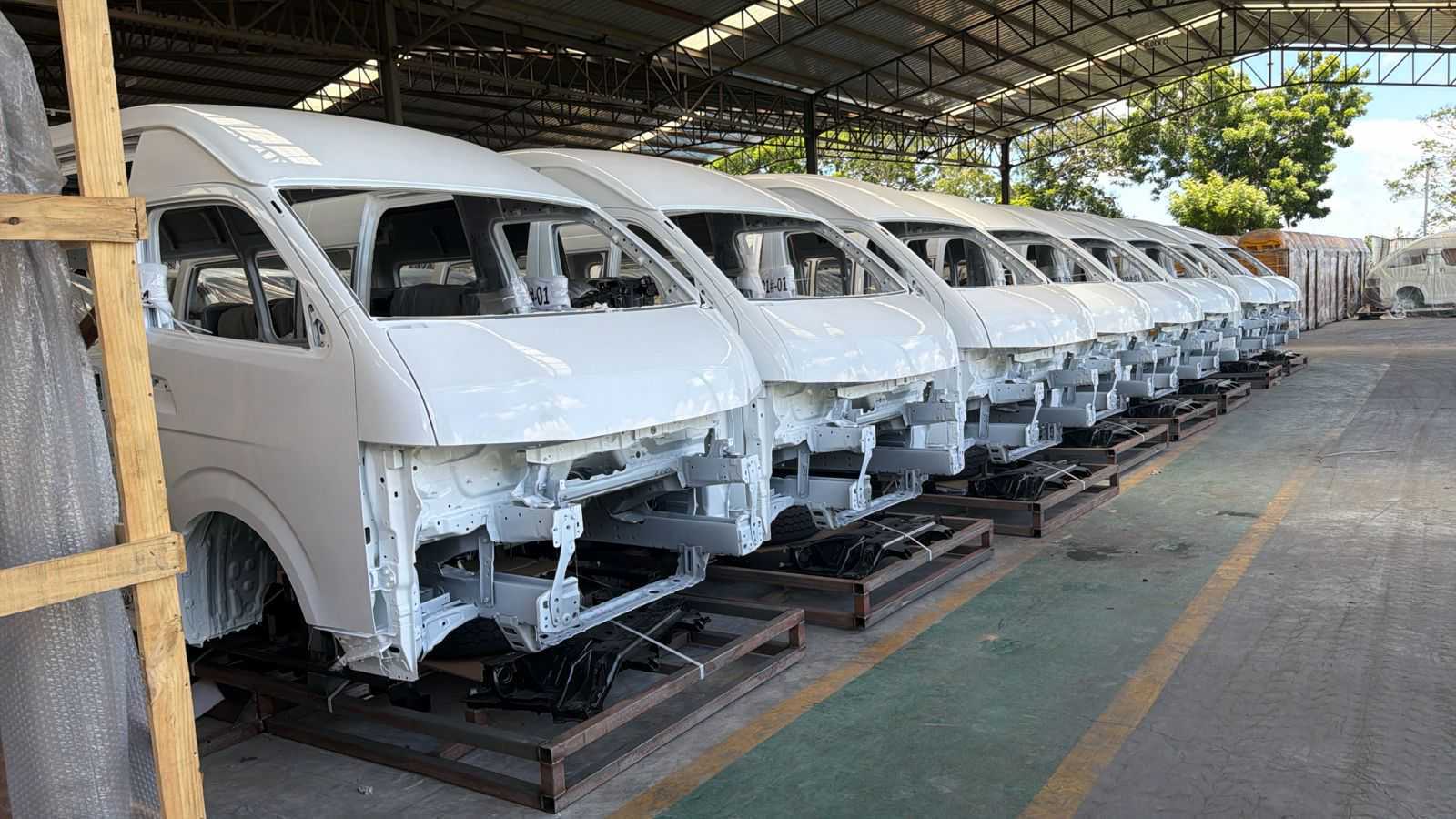
BasiGo has begun local assembly of its Ma3e electric vans in Kenya, delivering the country’s first locally manufactured electric vans.
The assembly is being carried out in partnership with Associated Vehicle Assemblers (AVA), a leading Kenyan contract manufacturer based in Mombasa, using Complete Knocked Down (CKD) kits.
The first 22 locally assembled units are scheduled for delivery to customers in April and May 2026.
This milestone marks a significant shift from vehicle importation to local manufacturing and assembly in Kenya’s emerging electric mobility sector.
Product Specifications and Target Applications
The Ma3e is purpose-built for high-utilisation commercial operations and offers a range of up to 300 km (NEDC). It is designed for a wide range of use cases, including:
- Public transport (matatu) services
- School shuttles
- Corporate staff transport
- Airport transfers
- Hotel shuttle services
The vehicle’s design focuses on durability, efficiency, and suitability for East African road and operational conditions.
READ ALSO:
How the Athi River Charging Station Fits Into BasiGo’s 1,000-Bus Plan
Over the past 10 months, BasiGo has successfully operated two electric vans on intercity routes, including Nyahururu–Nyeri–Nakuru and Nairobi–Thika.
The strong performance of these pilot units has validated both the product and the operating model, resulting in a reservation pipeline of more than 500 units.
Strategic Importance of Local Assembly
Local assembly through the partnership with AVA represents a critical milestone in BasiGo’s growth strategy for several reasons:
- Cost Optimisation: Producing vehicles locally reduces import duties, logistics costs, and overall unit economics, making the Ma3e more competitive against traditional internal combustion engine vans.
- Supply Chain Integration: The move deepens BasiGo’s integration into Kenya’s automotive value chain and supports the development of local technical capabilities.
- Scalability: Local production enables faster scaling to meet growing demand and shortens delivery times for customers.
- Policy Alignment: The initiative supports Kenya’s broader goals for electric mobility, local manufacturing, and climate commitments by reducing reliance on imported vehicles and associated emissions.
BasiGo plans to deploy thousands of electric vans across Kenya in the coming years, contributing to the country’s transition toward cleaner, more inclusive transport solutions.
Market Context and Outlook
Kenya’s electric mobility sector continues to gain momentum, driven by policy support, declining battery costs, and increasing awareness of the economic and environmental benefits of electric vehicles.
The successful pilot operations and strong reservation pipeline indicate robust market demand for reliable, purpose-built electric commercial vehicles.
The local assembly of the Ma3e positions BasiGo to capture a meaningful share of this growing market while contributing to job creation and skills development in the automotive sector.
For the most current information on delivery schedules or fleet expansion plans, refer to official announcements from BasiGo.
BasiGo Overview
BasiGo builds electric buses and the Ma3e electric matatu for public transport operators in Kenya.
Ma3e price
The Ma3e is not sold with a fixed upfront retail price. It is offered using Pay-As-You-Drive (PAYD) financing, where operators pay a mileage-based fee that includes charging, battery, and maintenance instead of buying outright.
The vehicle offers up to a 300 km range, a 1.5-hour recharge, and a 16–19 passenger capacity.
BasiGo price in Kenya
For reference, one of BasiGo’s larger electric buses (E9 Kubwa) has been offered at about KSh 7.5 million plus around KSh 40 per km PAYD fee for charging and maintenance.
This gives a rough indication of pricing structure, with smaller Ma3e units typically structured under similar lease-style models rather than full purchase.
BasiGo Kenya
BasiGo assembles electric buses in Kenya and provides charging infrastructure and maintenance to operators, targeting matatus and city buses to replace diesel fleets.