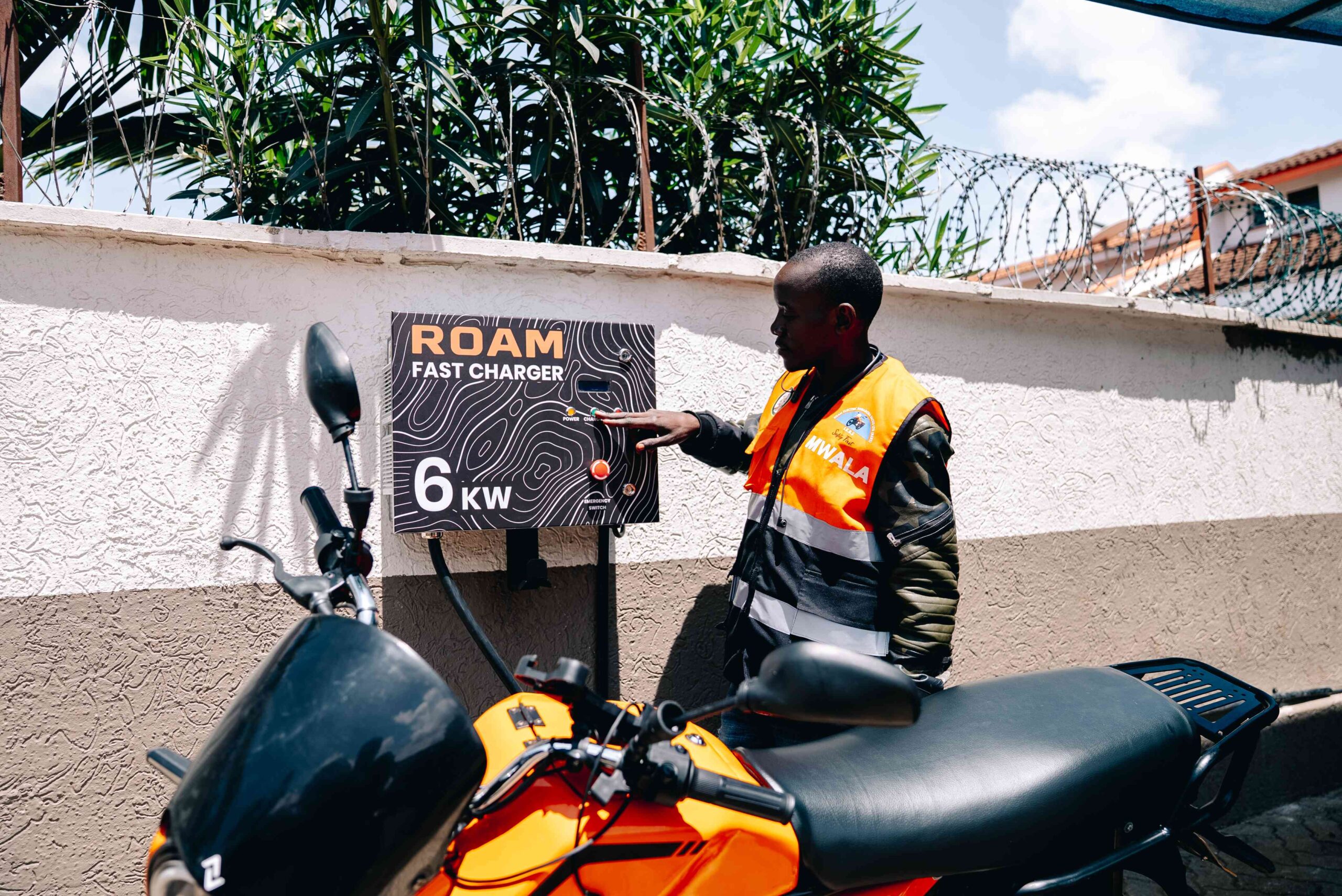
Kibo Africa has officially launched the Kibo Spark electric motorcycle in Kenya, backed by a battery-swapping network developed in partnership with Powerhive, an energy infrastructure company with over a decade of operations in the country.
The launch targets Kenya’s approximately three million boda boda operators, who currently spend between KES 12,500 and KES 20,000 monthly on fuel, representing 40% to 50% of their total earnings, and sets a first-year deployment target of 10,000 electric motorcycles.
The Cost Problem the Kibo Spark Solves
For a boda boda rider in Nairobi or Kisumu, fuel is not a variable cost that fluctuates with business volume.
It is a fixed drain on earnings that persists whether the day is busy or slow, eating between four and five shillings out of every ten earned before the rider has covered food, maintenance, or loan repayments.
That structural pressure on earnings is what makes the economics of electric motorcycles compelling when the numbers are right.
How Kibo Spark is reducing boda boda fuel costs in Kenya starts with the Powerhive battery-swapping system.
Kibo Africa projects that riders using the Kibo Spark with the Powerhive network can reduce monthly operating costs to between KES 5,000 and KES 7,500, a potential saving of 30% to 40% compared to current petrol expenditure.
At the midpoint of those projections, a rider spending KES 16,000 monthly on fuel today could retain an additional KES 9,500 per month, a meaningful income shift in a sector where margins are tight and earnings volatility is high.
Battery Swapping as the Critical Infrastructure Layer
The Kibo Africa Kibo Spark electric motorcycle and Powerhive battery-swapping partnership in Kenya in 2026 addresses what has historically been the most cited barrier to boda boda EV adoption: the practical inconvenience of charging.
A motorcycle that requires hours at a charging point is a motorcycle that is not earning.
Battery swapping replaces that constraint with a minutes-long station visit, keeping the bike on the road and the rider generating income.
Powerhive’s existing infrastructure footprint in Kenya provides a foundation that Kibo does not have to build from scratch.
READ ALSO :
Uber Targets 5,000 Electric Motorcycles in Kenya Through New Expansion Plan
More than a decade of energy operations in the country means Powerhive understands the site selection, grid reliability, and community trust dynamics that determine whether a swapping network functions consistently in the field rather than only in controlled conditions.
The 10,000 Motorcycle Target
The Kibo Africa 10,000 electric motorcycle deployment in Kenya within the first year is an ambitious target in a market that has seen several EV entrants set large deployment goals and then revise them when infrastructure density and rider adoption moved more slowly than projected.
Reaching that number within twelve months requires not just motorcycle supply and swap station coverage but also a financing model that puts the Kibo Spark within reach of riders who cannot afford outright purchase.
The battery swapping network for electric motorcycle boda boda operators in Kenya and the cost savings projected for 2026 are the commercial arguments that support rider adoption.
When a rider can see that the monthly swap cost falls well below current fuel expenditure, the economics of switching become straightforward.
The challenge is getting enough riders through the first swap experience to build the habit and the word-of-mouth that drives fleet growth in a sector where peer recommendation carries significant weight.
Kenya’s Maturing EV Market
The Kibo Spark EV launch in Kenya arrives in a market that has moved beyond the pilot phase.
Electric motorcycle Kenya activity in 2026 includes established players such as Spiro, which has deployed over 100,000 units across multiple African markets, alongside newer entrants building out niche positions.
The presence of multiple operators has begun to create the ecosystem effects that accelerate adoption: more swap stations, more mechanics familiar with EV maintenance and more riders who have personal experience with electric motorcycles and can speak to their reliability.
For Kibo Africa, competing in this environment requires differentiation on product quality, swap network reliability, and the depth of rider support rather than simply being first to market.
The Powerhive partnership addresses the infrastructure side of that equation. The local testing behind the Kibo Spark is intended to address the product side.
What Determines Whether the Rollout Succeeds
The Kibo Africa electric motorcycle launch in Kenya in 2026 will ultimately be measured against three variables: swap station density across key boda boda corridors, rider adoption rates in the first six months, and the company’s ability to scale operations without compromising the reliability that early adopters experience.
In Kenya’s competitive e-mobility market, the operators that build rider trust through consistent performance will hold their customers.
Those that overpromise and underdeliver on uptime will find the boda boda community moves on quickly.
The potential is credible. The savings are real. The infrastructure partnership is substantive.
Whether 10,000 motorcycles in year one becomes the foundation for 30,000 in three years depends on execution from the first swap station to the last.