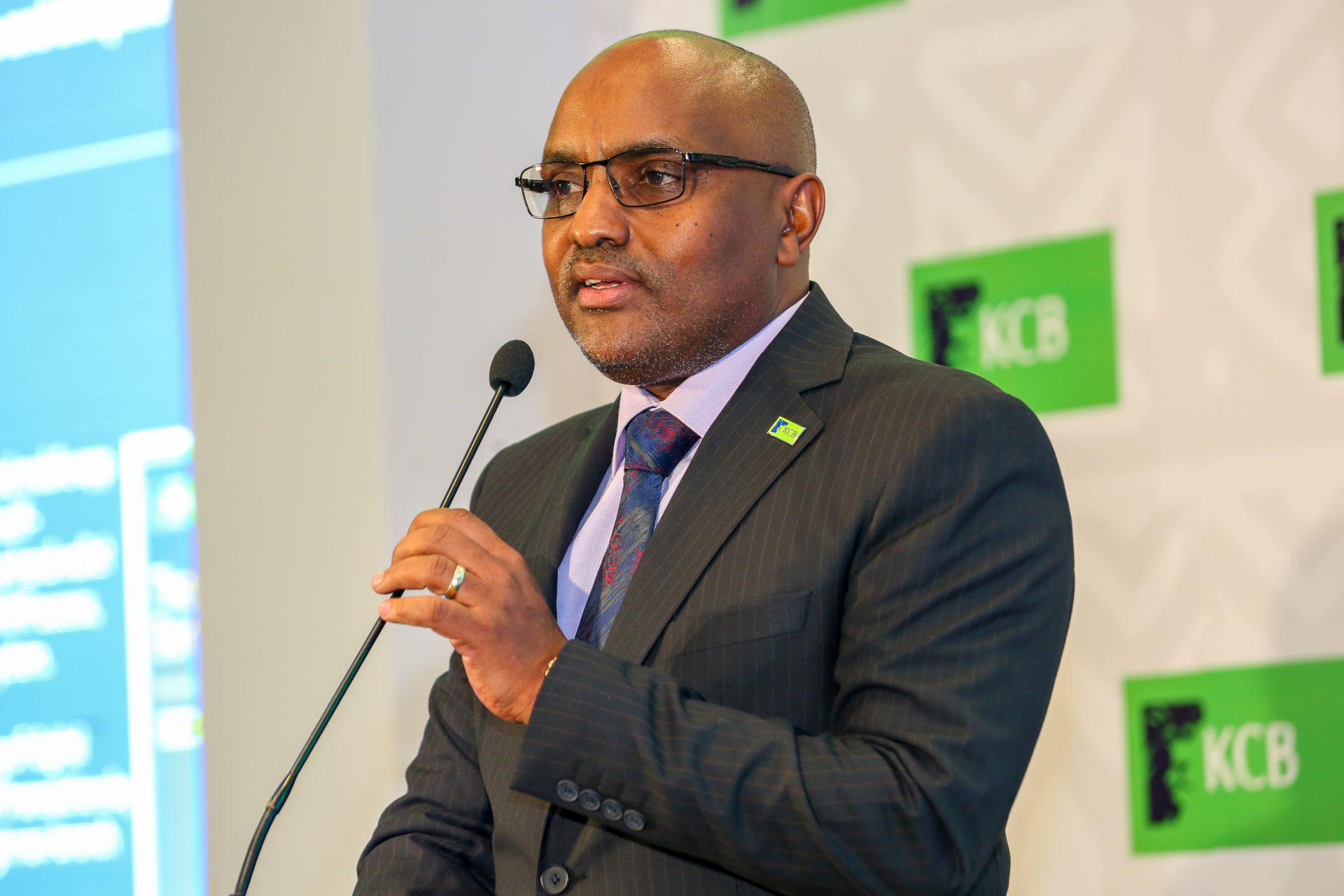
Koko Networks Limited and its subsidiary Koko Networks Global Services (Kenya) Limited have been placed under administration effective 1 February 2026, following a complete cessation of operations across Kenya.
PricewaterhouseCoopers (PwC) partners Muniu Thoithi and George Weru were appointed joint administrators under Kenya’s Insolvency Act 2015, assuming control of the companies’ assets, operations, and strategic decisions on that date.

The primary statutory objective of administration is to assess whether the business or viable parts of it can be rescued as a going concern, or whether an alternative outcome would deliver a better realisation for creditors than immediate liquidation.
Creditors have been granted a 14-day period to submit validated claims for inclusion on the official roll.
This development follows the abrupt shutdown announced at the end of January 2026, which resulted in the layoff of more than 700 employees and the immediate halt of bioethanol fuel distribution in most areas.
Customers, predominantly in low-income urban and peri-urban neighbourhoods, were notified of the closure via SMS, leaving many without access to their primary clean cooking fuel source.
Scale of Impact on Households
At its operational peak, Koko Networks managed one of Africa’s largest clean-cooking distribution networks, serving an estimated 1.3–1.5 million households in Kenya and Rwanda.
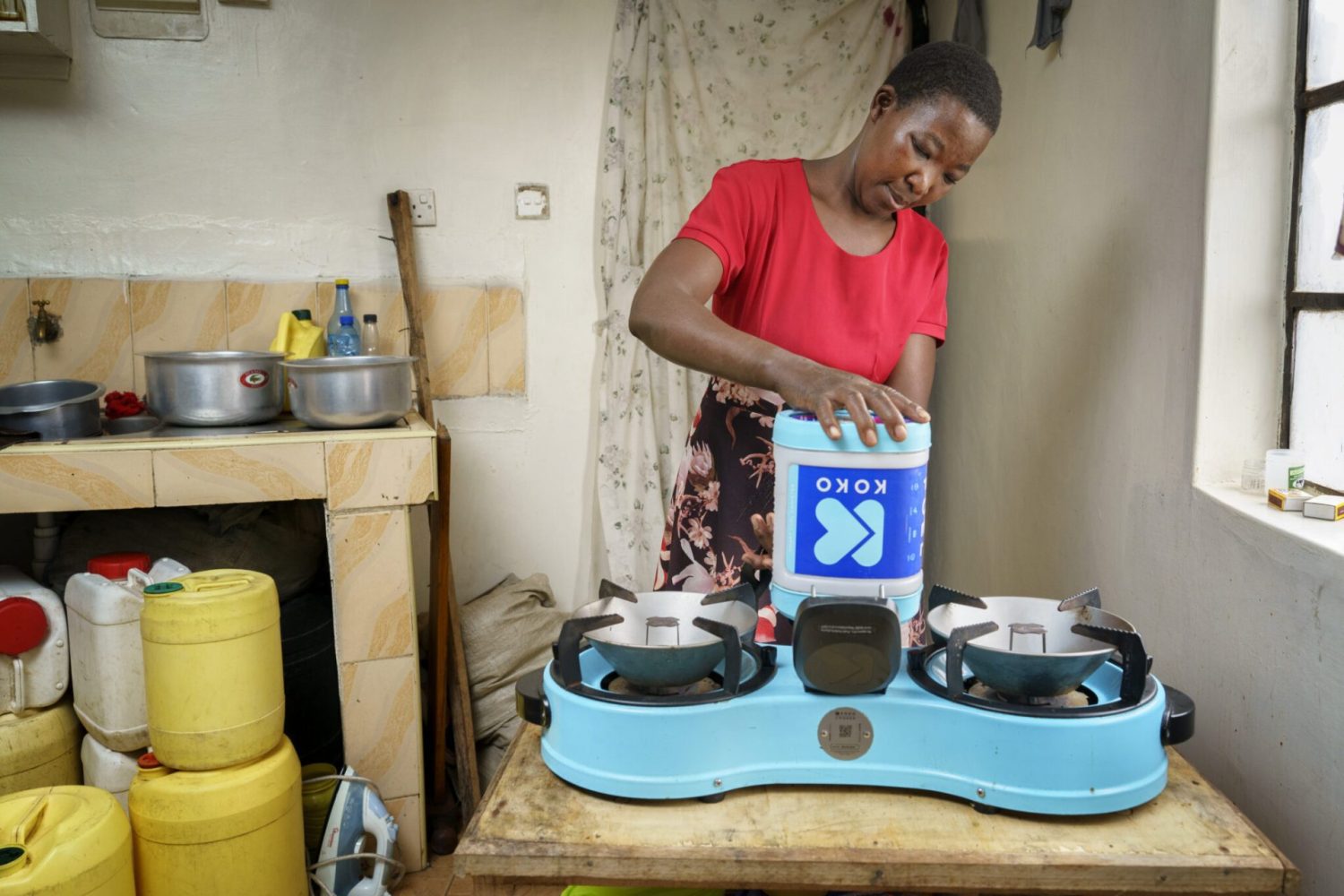
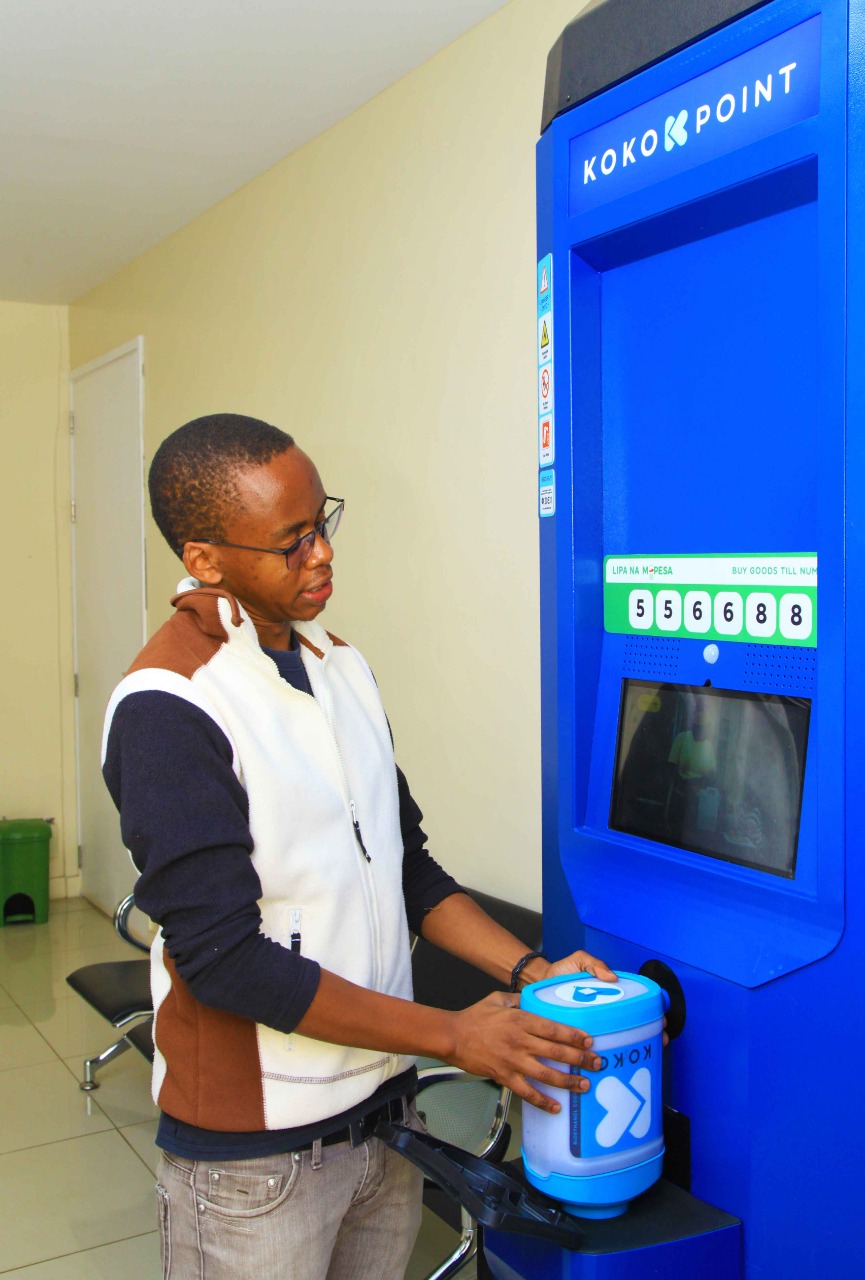
The model relied on smart bioethanol cookstoves, digitally tracked refill canisters, and a network of approximately 3,000 automated neighbourhood dispensing points (KOKO Points), which delivered subsidised ethanol as a safer, cleaner alternative to traditional charcoal and kerosene.
The sudden withdrawal of service disrupts daily cooking for these households, many of whom depend on Koko fuel for affordability, health, and convenience.
Without viable alternatives in the short term, a significant proportion may revert to charcoal or kerosene;fuels associated with higher indoor air pollution, respiratory health risks, and elevated deforestation pressure.
This potential reversal threatens recent public health and emissions reduction gains in affected communities.
Underlying Causes of the Insolvency
The collapse stems primarily from the business model’s heavy reliance on international carbon credit revenues to subsidise below-cost fuel pricing and stove distribution.
Koko sold carbon credits generated from households switching to cleaner ethanol cooking, expecting substantial income from compliance markets such as CORSIA (Carbon Offsetting and Reduction Scheme for International Aviation).
After extended delays, the Kenyan government declined to issue the necessary Letter of Authorisation (LOA) for corresponding adjustments under the Paris Agreement framework, effectively blocking credit sales in key international markets.
READ ALSO:
What Sun King’s HomePlus Max Offers Kenyan Households and Small Businesses
This denial removed a critical revenue stream, rendering the subsidised model financially unsustainable.
Compounding factors included the April 2024 suspension of bioethanol imports by the Energy and Petroleum Regulatory Authority (EPRA), forcing reliance on more expensive domestic supply, alongside persistent logistics constraints and margin compression.
Despite substantial backing from investors and guarantors including Microsoft’s Climate Innovation Fund, Verod-Kepple, Mirova, Rand Merchant Bank, and the World Bank’s Multilateral Investment Guarantee Agency the company could not overcome these regulatory and structural challenges.
Potential Outcomes Under Administration
The joint administrators are tasked with evaluating rescue options, which may include restructuring, asset sales, or partial business continuation.
A successful rescue could preserve elements of the network, potentially restoring service to households or transferring operations to a new owner.
Absent a viable rescue, the process may lead to an orderly wind-down or liquidation, with proceeds distributed to creditors according to statutory priorities.
The outcome will directly influence whether households regain access to the clean-cooking solution or face prolonged reliance on less sustainable fuels.
The administration also raises broader questions about the viability of carbon-credit-dependent clean-cooking models in Africa, particularly where regulatory approvals for credit monetisation remain uncertain or subject to political and policy shifts.
Future outlook
The placement of Koko Networks under administration on 1 February 2026 marks a critical juncture for approximately 1.3–1.5 million Kenyan and Rwandan households that previously relied on its bioethanol-based clean-cooking solution.
The immediate loss of service risks reversing gains in indoor air quality, public health, and emissions abatement, while the administration process seeks to determine whether any recovery of the business is feasible.
As of February 5, 2026, the outcome remains uncertain, underscoring the vulnerabilities of subsidised clean-energy models dependent on external revenue streams such as carbon credits.
For the latest updates on the administration process, creditors and affected parties should refer to formal notices from PwC or official regulatory channels in Kenya.
Liquidation Overview
Liquidation of a company in Kenya is the legal process of winding up a business, settling liabilities, and distributing any remaining assets.
It may occur through creditors’ voluntary liquidation Kenya when an insolvent company’s creditors initiate the process, or members’ voluntary liquidation Kenya when shareholders wind up a solvent firm.
The liquidation process in Kenya can also involve liquidation by Court Kenya, where the court appoints a liquidator to oversee asset realisation and creditor payments.
A liquidation account meaning refers to the account used to collect proceeds and pay claims during winding up, including a liquidation account in a Sacco for cooperative entities.
In general, liquidation meaning in business is the orderly closure of an entity to settle debts and conclude its affairs.
Ronnie Paul is a seasoned writer and analyst with a prolific portfolio of over 1,000 published articles, specialising in fintech, cryptocurrency, climate change, and digital finance at Africa Digest News.