The Private Infrastructure Development Group (PIDG) has committed $3.8 million to Sanivation, comprising $3.3 million in equity investment through its InfraCo project development solution and an additional $500,000 grant via its technical assistance facility.
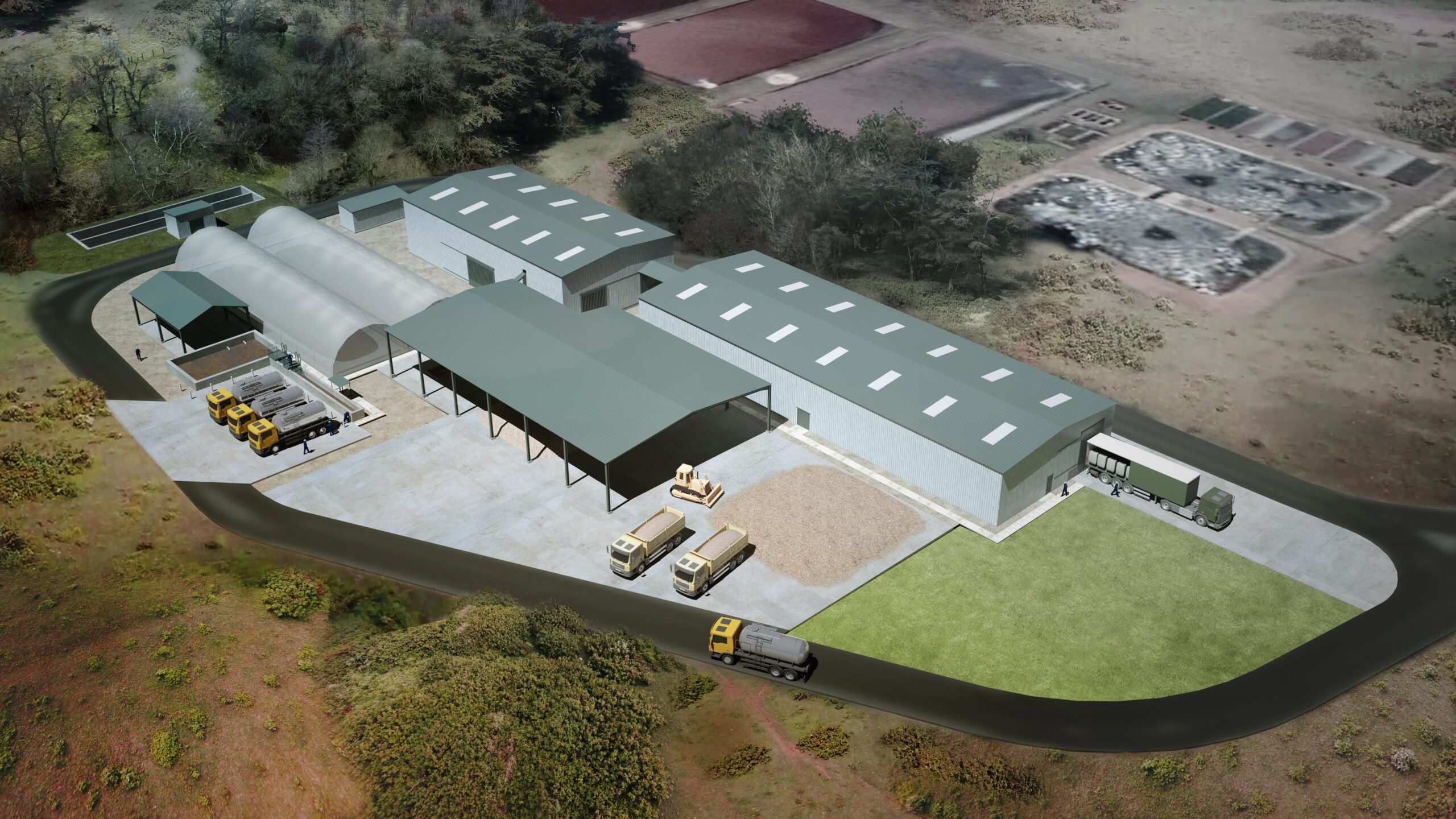
This funding, announced in mid-January 2026, supports the expansion of Sanivation’s innovative faecal sludge treatment facility in Naivasha, Kenya, advancing circular economy principles in sanitation and clean energy.
Sanivation converts human waste, combined with sawmill and agricultural residues, into high-efficiency solid fuel briquettes for industrial applications.
These briquettes provide 10–30% lower energy costs than traditional firewood, burn longer, and emit fewer pollutants, offering a sustainable alternative in Kenya’s energy landscape.
Scaled Capacity and Environmental Impact
The investment finances the construction of the Naivasha Treatment Plant expansion (NTPx), substantially increasing processing capabilities.
Upon completion, the facility is projected to treat faecal sludge equivalent to the output of 100,000–130,000 households annually.
This expansion alleviates strain on municipal wastewater systems, prevents contamination of surrounding land, and safeguards Lake Naivasha from pollution, preserving a vital freshwater resource and supporting local ecosystems.
By diverting waste from informal disposal, the project mitigates environmental degradation and public health risks in a rapidly urbanising region while demonstrating replicable models for waste management across Kenya and East Africa.
READ ALSO:
Will Structured Green Debt Outperform Conventional Lending?
Economic and Operational Benefits
The expanded production of briquettes addresses industrial demand for affordable, cleaner thermal energy, reducing reliance on deforestation-linked firewood.
This model enhances financial sustainability for Sanivation by generating revenue from waste conversion and creating a viable pathway for sanitation services without heavy dependence on subsidies.
Operations at the expanded Naivasha Treatment Plant are scheduled to commence in 2027, building on Sanivation’s established pilot success since 2018 in partnership with Nakuru County.


Strategic Validation and Broader Implications
PIDG’s involvement, through equity and technical assistance, validates Sanivation’s approach and provides critical risk mitigation for scaling.
The equity stake enables shared governance and long-term alignment, while the grant supports enhanced environmental, social, and operational standards.
Emily Woods, CEO and co-founder of Sanivation, stated, “This investment marks a turning point, not just for Sanivation, but for how sanitation infrastructure can be delivered across Kenya and the region. With PIDG’s support, we’re scaling a model that transforms waste into clean energy, enabling financial sustainability while safeguarding our environment and empowering our communities.”
This commitment aligns with PIDG’s mission to mobilise private finance for sustainable infrastructure in developing markets, encouraging circular economy solutions that integrate sanitation, waste management, and renewable energy.

PIDG’s $3.8 million commitment significantly bolsters Sanivation’s capacity to deliver innovative, sustainable sanitation and clean energy solutions in Kenya.
By enabling the Naivasha Treatment Plant expansion, this funding drives substantial environmental protection, cost efficiencies for industrial users, and a replicable framework for addressing sanitation challenges in emerging markets.
As of January 19, 2026, the project stands as a compelling example of blended finance accelerating impact in the waste-to-value sector.
For the most current developments, refer to official announcements from PIDG and Sanivation.
PIDG Overview
Who owns PIDG Infraco is best understood within the wider structure of the Private Infrastructure Development Group, where PIDG owners are primarily donor governments and development finance institutions that support private infrastructure investment in emerging markets.
PIDG Infraco operates as the development and early-stage investment arm of the group, with leadership provided by the PIDG team and an executive management function often referenced as the PIDG Infraco CEO.
Its operational footprint is delivered through key platforms such as InfraCo Africa and InfraCo Asia, which together form the core PIDG Infraco subsidiaries.
For professionals interested in the sector, PIDG Infraco careers offer opportunities across project development, investment, and impact-driven infrastructure finance.
Ronnie Paul is a seasoned writer and analyst with a prolific portfolio of over 1,000 published articles, specialising in fintech, cryptocurrency, climate change, and digital finance at Africa Digest News.