
In Sub-Saharan Africa, energy poverty remains a stark reality. As of 2023, approximately 565 million people lacked access to electricity, accounting for about 85% of the global population without power.
Rural areas are hit hardest, with population growth often outpacing electrification efforts. While global electricity access reached 92% in 2023, progress in Sub-Saharan Africa has been slower, relying heavily on decentralised solutions like off-grid solar and mini-grids.
Off-grid renewable energy primarily solar home systems and mini-grids plays a crucial role in bridging this gap.
These technologies provided 55% of new electricity connections in the region between 2020 and 2022, offering affordable, clean power where national grids are uneconomical or impossible to extend.
Yet, scaling these solutions in remote, high-risk markets faces significant barriers: high perceived risks, currency volatility, and limited returns deter traditional investors.
This is where blended finance steps in: a strategic approach that combines concessional (public or philanthropic) capital with commercial funds to de-risk investments, attract private capital, and make projects viable while keeping energy affordable for end-users.
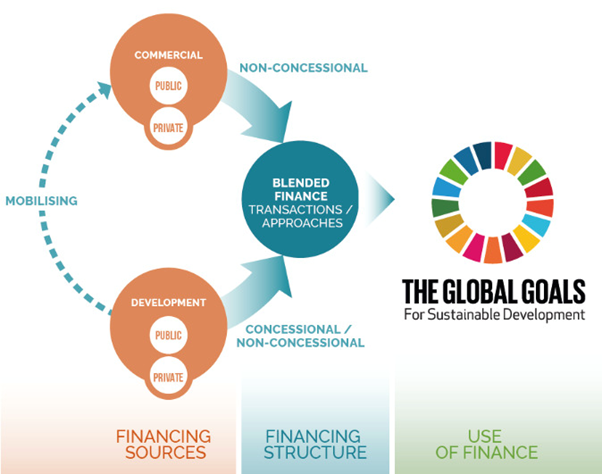
Blended finance structures often use grants or concessional loans to absorb first losses, enabling private investment in high-impact projects.
What is Blended Finance and Why Does it Matter for Off-Grid Energy?
Blended finance uses public or philanthropic funds to catalyse private investment in development projects. In off-grid energy:
- Concessional capital (e.g., grants, low-interest loans, or guarantees) reduces risks for commercial investors.
- This attracts more funding, lowers borrowing costs for energy companies, and enables affordable pricing for consumers.
- It supports market-building in frontier areas, such as technical assistance or impact-linked incentives.
Without blended structures, many remote markets remain “unbankable.” Traditional financing avoids them due to political risks, low densities, and poverty levels. Blended finance shifts this by providing patient capital for early-stage ventures and scalable debt for growth.
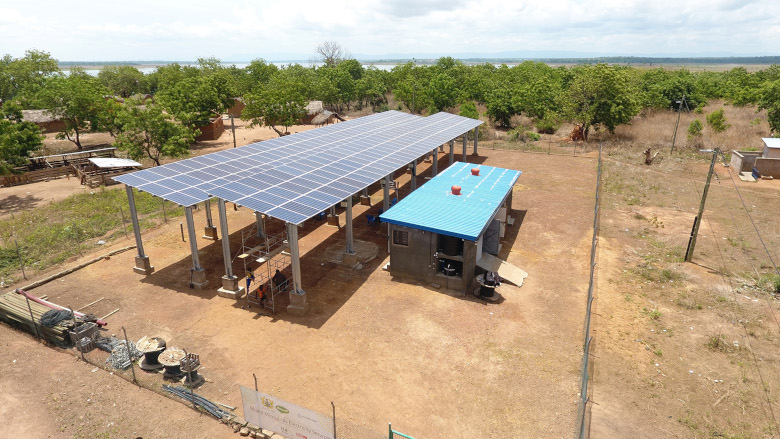
Off-grid solar systems bringing reliable lighting and power to rural households in Africa.
READ ALSO:
How Acumen’s Landmark H2R Initiative Is Rewiring Energy Access in Sub-Saharan Africa
A Landmark Example: Acumen’s Hardest-to-Reach (H2R) Initiative
A prime illustration of blended finance in action is Acumen’s Hardest-to-Reach (H2R) Initiative, which reached a major milestone on January 6, 2026. Acumen, a global impact investor, announced the full mobilisation of $250 million in blended capital, meeting its target after the final close of its debt fund, H2R Amplify, at $180 million.
Key details:
- The initiative targets nearly 70 million people in underserved Sub-Saharan African communities, including 50 million first-time energy users.
- It focuses on 17 countries, including challenging markets like Malawi, Zambia, and Somalia.
H2R combines two vehicles:
- Catalyse: Patient capital (equity, debt, grants) for market-building and early-stage support.
- H2R Amplify: Scalable debt financing, now bolstered by investors like the Green Climate Fund, Swiss Agency for Development and Cooperation (SDC), International Finance Corporation, and others.
A recent $7.8 million commitment from SDC helped unlock the final close, alongside $18 million in grants for impact-based rewards.
As Jiwoo Choi, Chief of Strategic Initiatives and Head of H2R at Acumen, stated: “Over the past two years, we brought together partners who aligned behind one goal: to unlock energy access to the most remote and vulnerable areas.
Moving from an announced strategy to fully committed capital gives us the foundation to carry this work forward with clarity and purpose.”
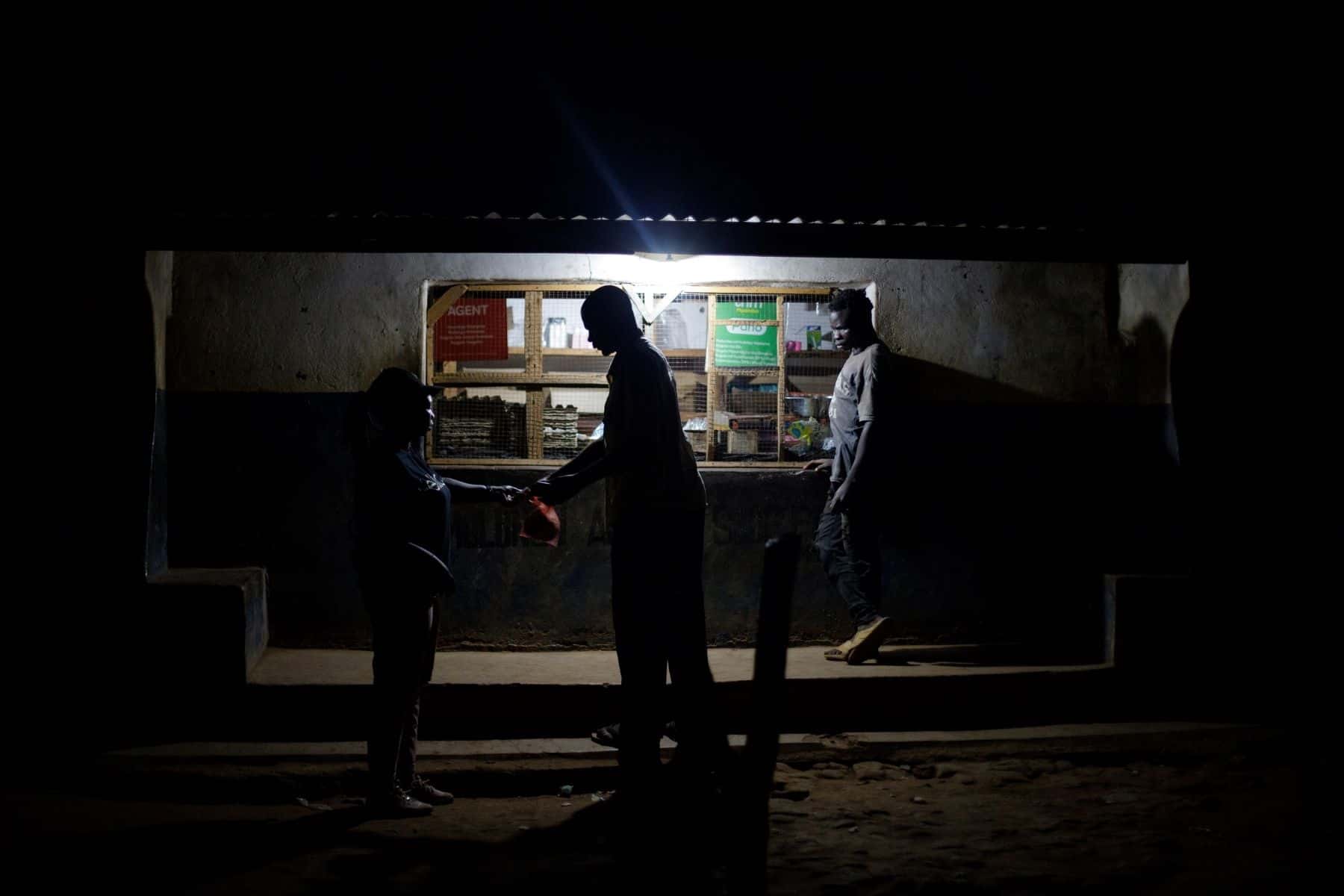
Acumen’s H2R Initiative in action: Solar energy deployment in remote Malawian communities.
This fully capitalised platform is now deploying funds to energy enterprises providing distributed renewable energy: solar home systems for households and mini-grids for small businesses where grids will likely never reach.

Solar mini-grids powering entire villages, enabling economic activity and improved livelihoods in remote areas.
The Broader Impact and Path Forward
Initiatives like H2R demonstrate how blended finance can transform energy access. By de-risking investments, it mobilises private capital at scale, accelerates deployment, and ensures affordability, which is critical for reaching the “last mile.”
With off-grid solutions proving cost-effective in rural Africa, blended models are essential to meet global goals like universal access by 2030.
As deployment ramps up in 2026 and beyond, the real measure of success will be lives changed: homes lit, businesses powered, and communities resilient in Africa’s most remote corners.
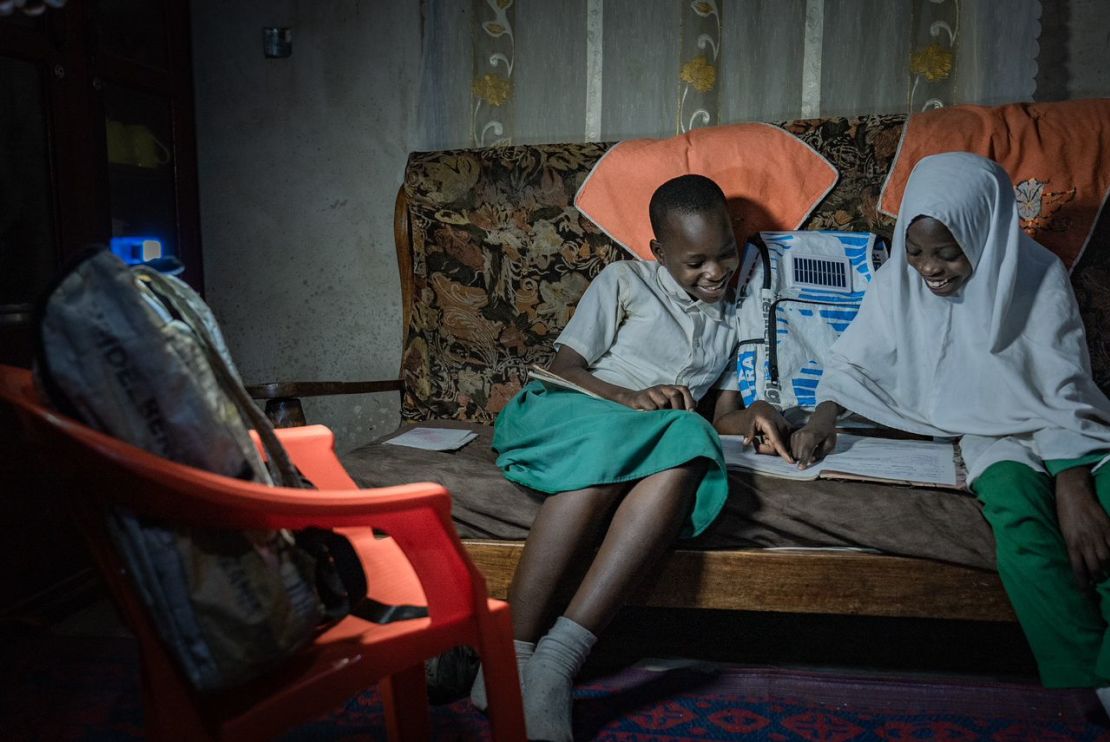
Families in rural Africa benefiting from solar lighting, extending study hours and improving quality of life.
Acumen Fund Overview
Acumen Fund is a global impact investor known for initiatives such as Acumen Hardest-to-Reach, which focuses on extending essential services to underserved and low-income communities.
Through Acumen Capital, the organization channels patient capital into social enterprises, with regional operations including Acumen Kenya and Acumen India supporting locally driven solutions.
Acumen IFC partnerships and programs such as Acumen kawisafi further strengthen clean energy and inclusive business models in East Africa, while flexible work arrangements like Acumen wfh reflect the organization’s adaptive and globally distributed operating model.
Ronnie Paul is a seasoned writer and analyst with a prolific portfolio of over 1,000 published articles, specialising in fintech, cryptocurrency, and digital finance at Africa Digest News.


