KCB Bank Kenya has secured approval from the Green Climate Fund (GCF) for a US$96.9 million (KSh 12.5 billion) blended finance facility under the Climate Smart Technology (CST) programme.
The approval, confirmed in late March 2026, combines concessional lending, a guarantee, and a grant component to enable affordable financing for micro, small and medium enterprises (MSMEs) and smallholder farmers adopting climate-resilient and low-carbon technologies.
This facility represents a significant step toward addressing the chronic climate finance gap that has historically limited access to capital for Kenya’s most vulnerable economic actors, particularly in agriculture and informal sectors.
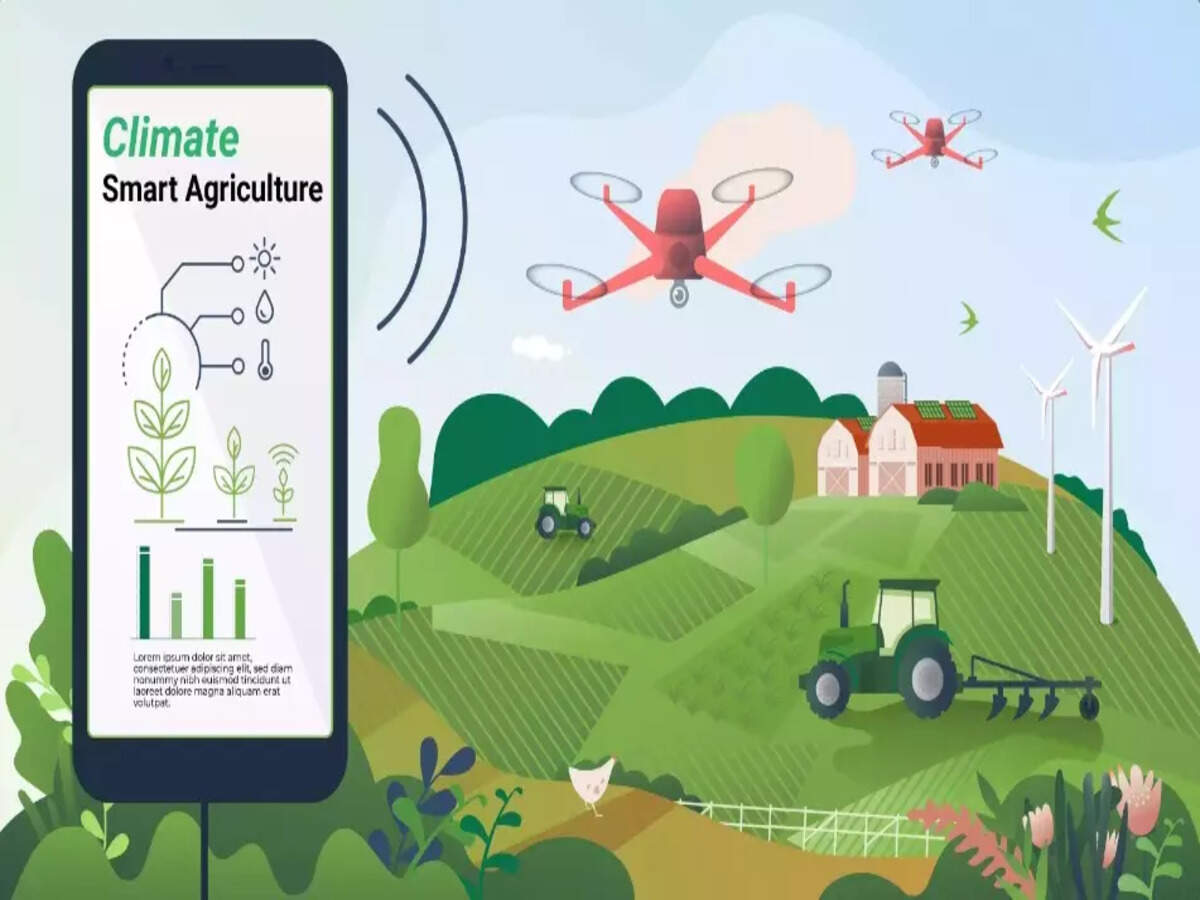
Structure and Focus of the Facility
The blended finance structure is designed to de-risk investments and crowd in private capital. Key allocation priorities include the following:
- Adaptation measures (approximately 60% of the portfolio): climate-resilient agriculture, water management technologies, and related value-chain interventions.
- Mitigation measures (approximately 40%): Renewable energy (solar solutions), clean cooking technologies, waste management and circular economy initiatives, and energy efficiency improvements.
KCB will deploy flexible credit products, mixed finance structures, and digital lending platforms to reach underserved MSMEs and smallholder farmers at scale.
The programme emphasises gender-inclusive and value-chain approaches, ensuring benefits extend to women-led enterprises and broader agricultural ecosystems.
Catherine Koffman, Director of the Green Climate Fund’s Department of the Africa Region, noted:
“The climate-smart technologies for micro, small and medium-sized enterprises and farmers project addresses one of the toughest barriers to climate action: access to finance for small businesses and farmers. By crowding in private capital and de-risking climate-smart investments, GCF finance will empower Kenya’s MSMEs and farmers to adopt solutions that strengthen resilience, productivity and long-term economic stability.”
Alignment with National Climate Priorities
The CST programme aligns directly with Kenya’s National Climate Change Action Plan (NCCAP) III 2023–2027 and the updated Nationally Determined Contribution (NDC).
Kenya faces acute climate vulnerability: over 80% of its land is classified as arid and semi-arid; recurrent droughts and floods cause annual economic losses equivalent to approximately 3% of GDP; and agriculture, which contributes 26% to GDP and employs about 70% of the rural workforce, remains predominantly rain-fed.
By targeting MSMEs and smallholder farmers, the facility addresses a critical gap where traditional commercial lending often falls short due to perceived risk, lack of collateral, and limited technical knowledge.
Paul Russo, KCB Group CEO, stated:
“This is a bold step to scale climate finance. By targeting MSMEs and smallholder farmers we are ensuring that no one is left behind in the transition to a climate-resilient future. Our goal is to empower these communities with the tools, technologies, and financing they need to thrive in the face of climate change threats.”
KCB’s Broader Green Finance Momentum
This GCF facility builds on KCB’s accelerating sustainability agenda. In the previous year, the bank assessed loans valued at KSh 578.3 billion for environmental and social risks, bringing the cumulative total since 2020 to over KSh 1 trillion.
READ ALSO:
KCB Group Targets KSh 15.2 Billion Green Climate Fund Loan to Boost Climate-Smart Solutions
KCB has disbursed approximately KSh 50–53 billion in green loans, increasing the green portfolio share from 15% in 2023 to around 25% by 2025.
As a member of the Net Zero Banking Alliance, KCB continues to integrate climate considerations into its lending decisions and expand its green financing footprint.
Potential to Bridge the Gap
KCB’s strong retail and SME banking network, combined with digital lending capabilities and field presence, positions the bank to reach scale where purely public or donor-driven programmes often struggle.
The blended nature of the facility with concessional elements and guarantees should improve affordability and risk appetite, enabling wider adoption of solar, clean cooking, climate-smart agriculture, and energy efficiency solutions.
Success will depend on effective implementation, robust monitoring of impact (particularly adaptation outcomes), and the ability to crowd in additional private capital over time.
Looking Ahead
The US$96.9 million GCF blended finance facility marks a meaningful step for KCB in bridging the climate finance gap for MSMEs and smallholder farmers in Kenya.
By combining concessional capital, guarantees, and grants with the bank’s distribution strength and digital tools, the programme has the potential to accelerate adoption of climate-smart technologies and enhance resilience in highly vulnerable sectors.
This initiative reinforces KCB’s leadership in sustainable finance while contributing directly to Kenya’s national climate goals.
For the most current details on the programme’s rollout and eligibility criteria, refer to official announcements from KCB Bank or the Green Climate Fund.
Green Climate Fund (GCF) Overview
Green Climate Fund (GCF) is the world’s largest climate fund supporting developing countries in mitigation and adaptation.
The Green Climate Fund headquarters is in Incheon, and it was established in 2010 under the UNFCCC framework.
Green Climate Fund projects finance renewable energy, climate resilience, and low-carbon development across Africa, Asia, and Latin America. Funding comes from donor governments, so Green Climate Fund contributions by country mainly include developed nations.
The fund regularly issues Green Climate Fund calls for proposals, but applicants must go through Accredited Entities such as banks, NGOs, or development institutions rather than applying directly as individuals.
To apply for Green Climate Fund support, organisations partner with these Green Climate Fund Accredited Entities, which submit and manage project proposals.
Who funds the Green Climate Fund? Primarily developed countries, along with some private sector contributions, to support climate action in developing economies.