Good farming decisions have always depended on understanding the soil. For generations, farmers relied on touch, smell, and years of experience.
This knowledge is valuable, but it has real limits. Soil conditions can change quickly, especially as weather patterns shift.
Guessing when to water or fertilize can waste resources and money. Soil sensors paired with internet connected devices are starting to change this picture entirely.
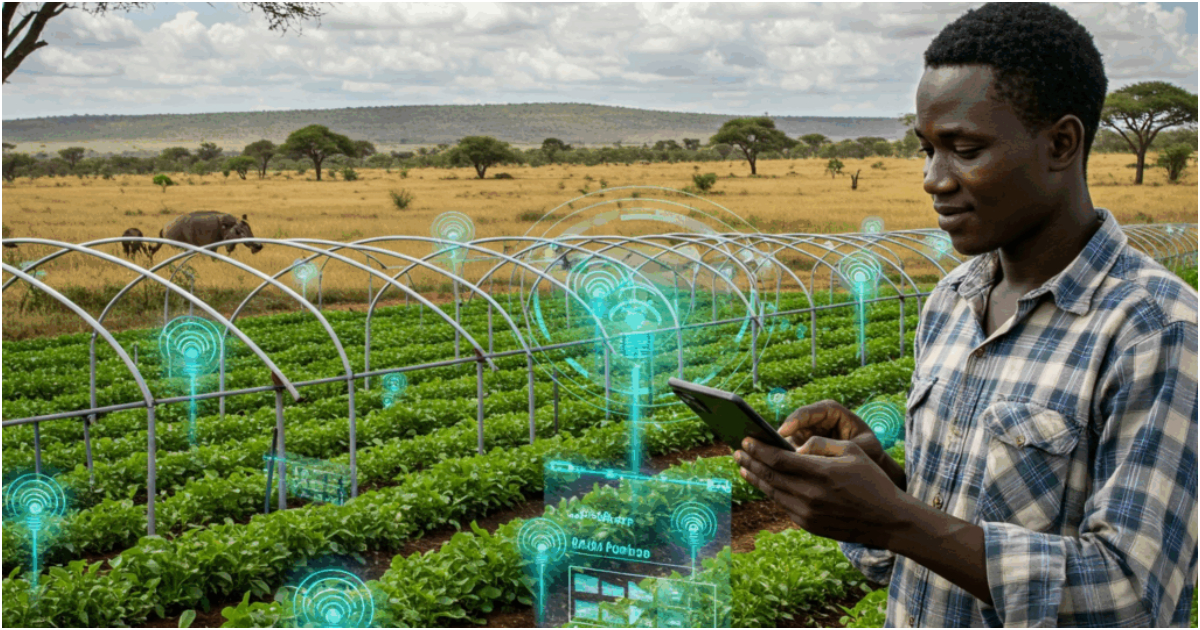
At a basic level, soil sensors measure conditions beneath the surface. They track moisture levels, temperature, and sometimes nutrient content in real time.
This data is then sent wirelessly to a phone or simple dashboard. Farmers no longer need to dig or guess to check conditions.
Instead, they receive clear, immediate information about what their soil actually needs. This shift from guesswork to data is genuinely powerful for small farms.
The Internet of Things, often shortened to IoT, makes this connection possible. Small, low cost sensors communicate over local networks or mobile signals.
This means farmers do not need expensive equipment to receive useful insights. A basic sensor can alert a farmer when soil moisture drops too low.
Another can flag when nutrient levels suggest fertilizer is needed soon. These small alerts can prevent costly mistakes before they happen.
Water management is one of the clearest benefits of this technology. Overwatering wastes a precious resource and can even damage crops.
Underwatering, especially during unpredictable dry spells, can devastate an entire harvest. Soil moisture sensors help farmers apply water only when truly necessary.
This precision can significantly reduce water use without hurting crop yields. In regions facing water scarcity, this kind of efficiency matters enormously.
Fertilizer use benefits from this same precision based approach. Applying too much fertilizer wastes money and can harm surrounding ecosystems.
READ ALSO :
Mobile Apps Helping Farmers Time Planting Around Changing Seasons
Applying too little can limit crop growth and reduce overall yields. Sensors that track soil nutrients help farmers apply exactly what is needed.
This targeted approach protects both farm budgets and local environmental health. It replaces routine, blanket application with smarter, more responsive decision making.
Affordability has been the biggest barrier to widespread adoption until recently. Early agricultural sensors were often expensive and designed for large commercial farms.
Newer generations of low cost sensors are changing that reality quickly. Some devices now cost only a fraction of earlier commercial models.
Shared community sensor programs are also helping spread the cost further. This makes the technology increasingly realistic for small and mid sized farms.
Connectivity remains an important challenge in more remote farming regions. Not every area has reliable mobile networks or internet access.
Some sensor systems now store data locally until a connection becomes available. Others use simple radio signals instead of relying on internet service.
These workarounds are helping extend the technology into harder to reach areas. Continued investment in rural connectivity will still be important going forward.
Soil sensors and IoT tools represent a quiet but meaningful shift. They do not replace generations of farming knowledge and instinct.
Instead, they add a new layer of precision and confidence. In a time of increasingly unpredictable weather, that precision matters greatly.
As costs continue to fall, these tools will likely become far more common. Farming’s future may depend as much on data as on soil.