KenGen is East Africa’s leading electricity producer and a company whose origins actually predate Kenyan independence.
Built to carry hydropower across a colonial border, it now runs the largest geothermal fleet on the African continent and supplies roughly 60% of the electricity Kenya consumes. Here’s the full picture.
History and Founding Story
KenGen’s story begins on 1 February 1954, when it was incorporated under Kenya’s Companies Act as the Kenya Power Company (KPC), more than nine years before Kenyan independence.
Its original mandate was surprisingly specific: build a transmission line between Nairobi and Tororo in Uganda, carrying hydropower generated at the Owen Falls Dam into Kenya, while also developing the country’s own generating facilities.
From its earliest days, KPC sold electricity in bulk, at cost, to a separate entity, the East Africa Power and Lighting Company (later renamed Kenya Power and Lighting Company in 1983), which ran KPC under a management contract and handled distribution to end customers.
The company’s engineers were exploring frontier technology from the start. Between 1955 and 1964, KenGen’s predecessor drilled the first three geothermal exploration wells in Africa within the Olkaria Geothermal Field, laying the groundwork for what would become the company’s signature strength decades later.
Growth continued steadily through hydro projects like Kindaruma (1968), Kiambere, and Turkwel, alongside the first commercial geothermal units at Olkaria in the 1980s.
The decisive structural change came in 1996 and 1997, when energy sector reforms formally separated KPC’s generation business from Kenya Power and Lighting Company’s distribution business, reflecting a broader global trend of unbundling monopoly utilities into distinct generation, transmission, and distribution companies.
The newly independent generation company rebranded as Kenya Electricity Generating Company, or KenGen, in 1998.
In 2006, the Government of Kenya listed KenGen on the Nairobi Securities Exchange by selling 30% of its stake through an IPO that was 336% oversubscribed, one of the standout capital markets successes of that era alongside Kenya Re’s own listing the following year.
The company marked its sixtieth anniversary in 2014, celebrated by completing the largest single geothermal power plant in the world at the time, the 280MW Olkaria expansion project.
Core Business Lines / Revenue Streams
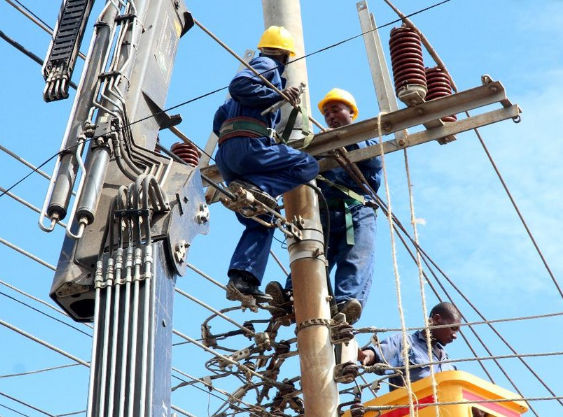
KenGen’s business is straightforward: it generates electricity from a diversified mix of sources and sells it, primarily in bulk to Kenya Power, the country’s distribution utility, which then supplies homes and businesses.
- Geothermal power (the company’s signature strength): KenGen operates the largest geothermal power fleet in Africa, centred on the Olkaria Geothermal Field within Hell’s Gate National Park in the Great Rift Valley. Geothermal capacity has grown from a handful of experimental wells in the 1950s to hundreds of megawatts today, and the technology’s reliability (it isn’t dependent on rainfall, unlike hydro) has made it an increasingly central part of KenGen’s generation mix.
- Hydropower: Historically the company’s leading source of electricity, generated across roughly 30 hydropower plants, including major stations like Kiambere, Gitaru, Masinga, and Kindaruma along the Tana River system.
- Thermal power: Diesel and heavy fuel oil plants that provide flexible, on demand generation capacity, though this is a smaller and higher cost share of the portfolio that the company has been actively working to reduce.
- Wind power: A smaller but growing contribution, anchored by the Ngong Wind Farm and further expansion projects.
- New renewables and regional expansion: KenGen is pursuing solar generation for the first time (including a Seven Forks Solar Project), rehabilitating and expanding existing geothermal units (such as Olkaria I and the new Olkaria VII project), and has taken its geothermal expertise abroad, supporting projects in Ethiopia and Djibouti.
Under its long term strategy, branded “G2G 2034,” the company is targeting roughly 253 MW of combined new pipeline capacity across these rehabilitation and expansion projects, alongside continued diversification.
Competitive Position in Its Industry
KenGen holds a dominant, near monopoly position in Kenyan electricity generation: it supplies roughly 60% of the electricity consumed in the country, and its installed capacity of around 1,900 MW represents about 62% of Kenya’s total installed generating capacity, making it comfortably the largest power producer in East Africa.
It is also globally distinctive in geothermal terms, having built the single largest geothermal power plant in the world at Olkaria and ranking Kenya among the top geothermal producing countries globally, a position few African utilities can claim.
That scale and diversification give KenGen a genuine competitive edge in an industry where fuel cost volatility can badly hurt purely thermal generators: because such a large share of its portfolio comes from renewable, largely domestic resources (geothermal, hydro, and wind), KenGen is comparatively insulated from the fossil fuel price swings that squeeze many other African power producers.
Recent results reflect steady, if unspectacular, underlying demand growth: full year revenue to June 2026 rose 6.4% to KSh59.7 billion on record national peak electricity demand of 2,549 MW, though net profit dipped slightly (down 1.2% to KSh10.35 billion) as the company redirected finance income toward capital investment in new generation projects.
Half year 2026 results showed a sharper 20% drop in net profit specifically, driven by a higher effective tax rate after certain deferred tax assets were used up, even as underlying operating profit rose.
Because Kenya Power is effectively KenGen’s sole major domestic customer, buying electricity in bulk under long term power purchase agreements, KenGen’s competitive position is shaped less by rival generators (though independent power producers do supply a growing share of Kenya’s grid) and more by regulatory tariff setting and the broader health of Kenya Power’s own finances, since delayed payments from Kenya Power have periodically strained KenGen’s cash flows in the past.
Ownership Structure
KenGen is a majority state owned, publicly traded company, having sold a minority stake to the public through its 2006 IPO while the government retained firm control.
- Government of Kenya (National Treasury): The dominant shareholder, holding a 70% stake, giving the state effective control over board appointments, strategic direction, and dividend policy.
- General public and institutional investors: The remaining 30% is held by the investing public, including local and foreign institutional investors, pension funds, and individual retail shareholders, who have held shares since the successful 2006 IPO.
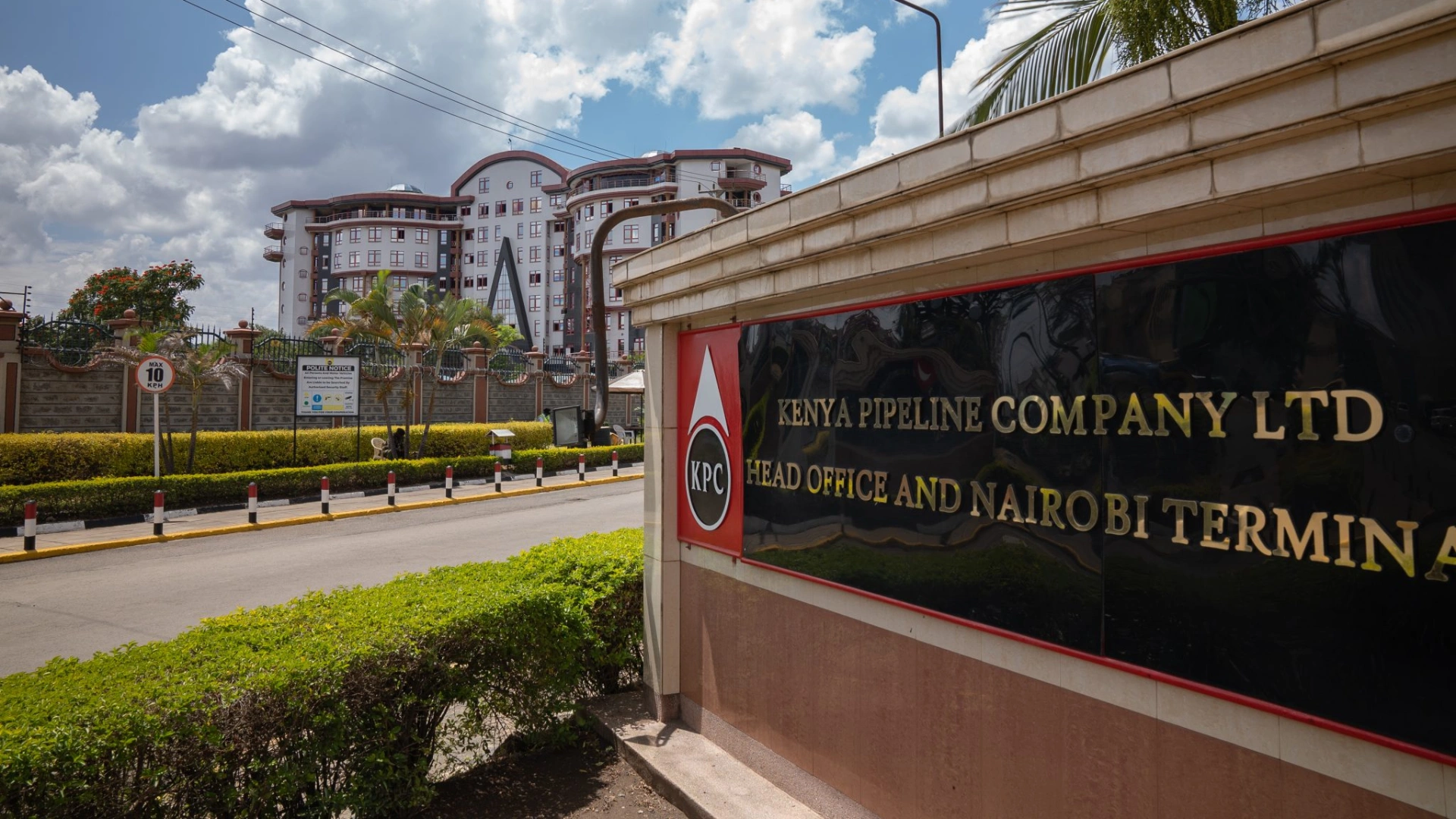
This 70/30 split has remained stable since listing, distinguishing KenGen from Kenya Re (60% state owned) or the newly listed Kenya Pipeline Company (35% state owned after its own 2026 partial privatisation), and reflecting a deliberate government decision to retain firm majority control over a strategically important national asset while still opening a meaningful stake to public investors.
Why It’s Listed on the NSE Specifically
KenGen’s 2006 NSE listing was part of the same wave of Kenyan state enterprise privatisations that would later bring Kenya Re (2007) and, decades afterward, Kenya Pipeline Company (2026) to the exchange.
The government’s goal was to deepen Kenya’s capital markets, bring in public capital and market discipline to a capital intensive infrastructure business, and give ordinary Kenyans a direct ownership stake in the company generating the electricity they use daily.
READ ALSO:
Inside the NSE: Kenya Pipeline Company (KPC)
The IPO’s overwhelming 336% oversubscription signalled strong public appetite for exposure to Kenya’s power sector, and the listing has since given KenGen repeated access to capital markets beyond that initial share sale, including a major infrastructure bond issued in 2009 that raised over KSh26 billion, one of the largest such issuances in Kenya at the time.
For investors, KenGen’s NSE listing offers something relatively rare on the exchange: direct exposure to a large scale, majority state backed renewable energy generator with a genuinely dominant domestic market position, in a sector (utilities) that is otherwise thinly represented among NSE listed companies.
Current Stock Price
KenGen’s share price has been on a strong upward run, crossing the KSh10 mark during 2025 on the back of a record 54.2% profit jump for the year to June 2025. Recent trading data put the share price at around KSh12.55, which, against the company’s newly declared dividend of KSh0.75 per share for the year to June 2026, implies a forward dividend yield of about 6.0%, down from a trailing yield of 7.2% as the price has appreciated.
Share prices move daily. For a live quote, check the NSE’s official market data page or a licensed brokerage platform before making any decisions.
How to Buy KenGen Shares
You don’t need to be in Kenya to buy KEGN shares; it can be bought locally or from abroad:
- Open a CDS (Central Depository System) account. This is Kenya’s electronic share registry account, required to hold any NSE listed stock. It’s opened through a licensed stockbroker or investment bank.
- Choose a licensed NSE stockbroker or investment bank. Examples include firms like Standard Investment Bank, AIB-AXYS Africa, Genghis Capital, and Faida Investment Bank. A full list of licensed trading participants is available on the NSE website.
- Fund your trading account via bank transfer, mobile money (M-Pesa is widely supported), or card, depending on the broker.
- Place an order for KEGN through the broker’s trading platform, app, or by instructing your broker directly, specifying the number of shares or amount you want to invest.
- For non resident and diaspora investors, several online platforms (such as mystocks.africa and similar cross border brokerages) let you open an account remotely, fund it in USD or your local currency, and buy NSE listed shares like KEGN without needing an in country presence, though you should confirm licensing and custody arrangements before using any platform.
- Hold and track. Shares are held electronically in your CDS account. KenGen has a long dividend history, though the payout has fluctuated with earnings and investment plans: a record KSh0.90 per share was paid for the 2025 financial year, before being reduced to a proposed KSh0.75 per share for 2026 (subject to shareholder approval at the AGM on 29 October 2026, with payment expected around January 2027) as the company redirected more cash into expanding its generation capacity.
This profile is for informational and editorial purposes and is not investment advice. Stock prices, especially, change constantly, so always verify current figures with the NSE or a licensed broker before making any investment decision. Other figures reflect the most recent publicly reported data as of 2026 and may change with new financial disclosures.